Computing — March 13, 2026 — Edu AI Team
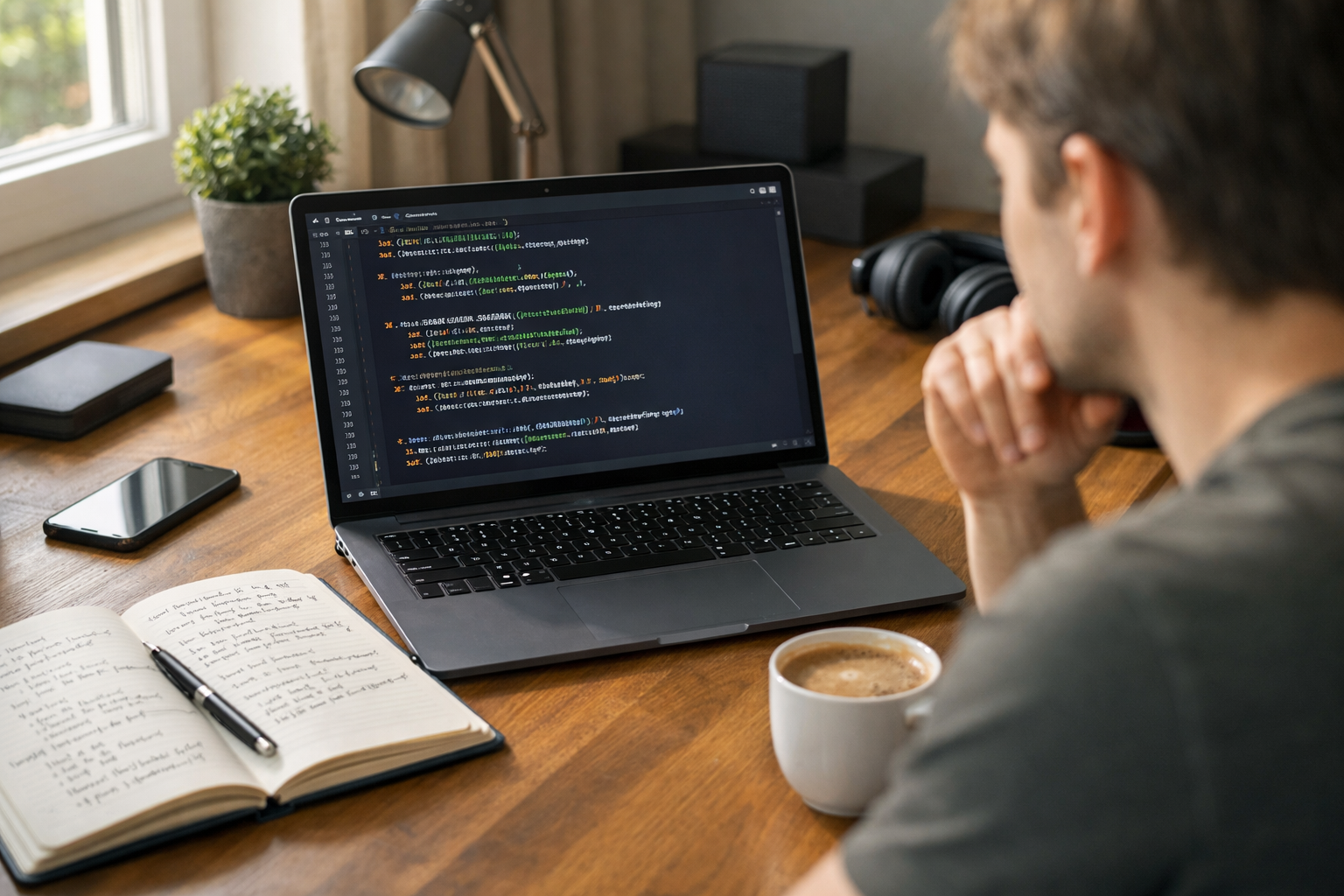
Python continues to dominate the tech world in 2026. From artificial intelligence and data science to web development and automation, Python powers some of the most innovative technologies shaping our future. If you're asking what the best way to learn Python online in 2026 is, you're not alone. With thousands of courses, tutorials, and platforms available, choosing the right path can feel overwhelming.
This guide provides a clear, practical, and proven roadmap to mastering Python efficiently—whether you're a complete beginner or looking to upgrade your skills for AI, machine learning, or software development.
Before diving into how to learn it, let’s understand why Python remains so popular:
In 2026, Python is no longer just a "good skill to have"—it’s a foundational digital skill across industries.
The most effective approach combines structured learning, real-world projects, AI-powered feedback, and consistent practice. Here’s the step-by-step roadmap.
Random YouTube videos and scattered tutorials often lead to confusion. The best way to learn Python online in 2026 is through a structured curriculum that builds knowledge progressively.
A high-quality Python course should include:
At Edu AI, our our courses are designed with AI-powered personalization. This means the system adapts to your pace, identifies weak areas, and suggests targeted practice automatically.
Watching tutorials is not enough. To truly understand Python, you must build things.
In 2026, employers value practical experience more than certificates. Focus on projects such as:
Each project reinforces syntax, logic, debugging, and problem-solving skills. Project-based learning dramatically accelerates skill development.
One major shift in 2026 is the integration of AI tutors into online education. Instead of waiting for human feedback, AI systems can:
This immediate feedback loop significantly shortens the learning curve. AI-powered platforms like Edu AI provide continuous guidance, making self-study more efficient and less frustrating.
Before jumping into advanced topics, focus on mastering these fundamentals:
Strong foundations make advanced learning easier and faster.
After learning the basics, choose a direction aligned with your interests and career goals.
Learn libraries like NumPy, pandas, scikit-learn, and TensorFlow. AI is one of the fastest-growing industries in 2026.
Explore frameworks such as Django and Flask to build scalable web applications.
Focus on data cleaning, visualization, and predictive modeling.
Automate repetitive tasks, manage files, or scrape data from websites.
Edu AI offers specialized learning paths that align with AI, computing, and even economics applications of Python. You can explore our courses to find a pathway that matches your ambition.
Learning speed depends on your consistency and study strategy.
The key factor is consistency. Studying 30–60 minutes daily is far more effective than occasional long sessions.
Many learners slow their progress by making these mistakes:
The best way to learn Python online in 2026 is focused, structured, and hands-on—not chaotic and random.
Traditional online courses are static. AI-powered education is dynamic.
Here’s why AI-based learning platforms are superior:
This creates a customized learning experience similar to having a private tutor—but at a fraction of the cost.
Absolutely. Python continues to lead in:
Companies across industries prioritize Python skills because they enable rapid development and innovation.
If you're serious about learning Python, follow this simple action plan:
You can register free and begin your Python journey immediately with guided, AI-enhanced learning tools.
The best way to learn Python online in 2026 is not about finding the most expensive course or watching endless tutorials. It’s about combining structured guidance, consistent practice, real-world projects, and AI-powered feedback.
Python remains one of the most valuable digital skills of our time. Whether you want to enter AI, build software, analyze data, or automate tasks, mastering Python opens powerful career opportunities.
Start small. Stay consistent. Build real projects. And leverage modern AI-powered platforms to accelerate your progress. Your future in tech can begin today.


- Learning Evolved.
- Intelligence Amplified.