AI Education — August 24, 2026 — Edu AI Team
If you are wondering how to move into AI if you are scared of technology, the short answer is this: start small, learn in plain English, and focus on practical first steps instead of trying to become “technical” overnight. You do not need to be a maths genius, a programmer, or someone who has loved computers since childhood. Many people move into AI by learning one simple concept at a time, building confidence first, and only then adding tools like Python, data analysis, or machine learning.
The fear is real, and it is more common than most people admit. Technology can feel full of strange words, fast change, and pressure to keep up. But AI is not one giant subject you must master all at once. It is a group of tools and ideas that help computers find patterns, make predictions, understand language, or create new content. If you can learn step by step, ask questions, and practise regularly, you can begin.
For beginners, AI often looks harder than it really is because the internet shows the most advanced part first. You see headlines about robots, billion-dollar companies, and complex coding projects. That can make a complete beginner think, “This is not for me.” In reality, most people should begin much lower down.
Think of AI like learning to drive. On day one, you do not start on a motorway in heavy traffic. You learn what the pedals do, how to steer, and how to move safely at low speed. AI works the same way. Your first goal is not to build a chatbot or train a model. Your first goal is to understand the basics without panic.
Common fears include:
Artificial intelligence, or AI, means computers doing tasks that normally need human-style thinking. For example, an AI system might sort emails, recommend films, recognise faces in photos, translate text, or answer questions.
One part of AI is machine learning. Machine learning means a computer learns from examples instead of following only fixed rules. If you show a system thousands of examples of spam and non-spam emails, it can learn patterns that help it guess whether a new email is spam.
You do not need to build these systems from scratch to work in or around AI. Some people work in AI as analysts, project coordinators, testers, content specialists, operations staff, customer support professionals, or business users who understand how AI tools can help their team.
If technology scares you, do not make coding your first battle. Begin by understanding the big picture. Learn what AI is, what machine learning means, where AI is used, and what it can and cannot do.
A good beginner should be able to answer simple questions such as:
This stage can take just 1 to 2 weeks if you study for 20 to 30 minutes a day. That is enough to build familiarity without overload.
After basic AI understanding, pick one beginner-friendly skill. The best choices are usually spreadsheet skills, basic Python, or data thinking. Data thinking simply means learning how information is collected, organised, and used to make decisions.
If coding feels too intimidating, start with spreadsheets. They teach logic, patterns, columns, rows, sorting, filtering, and formulas. Those are useful ideas for later AI learning. If you feel ready, move to Python, which is a popular programming language often used in AI because it reads more like plain English than many other languages.
You can browse our AI courses and start with beginner-friendly computing or Python lessons instead of jumping straight into advanced machine learning.
Confidence grows through action, not just reading. But your first projects should be small enough to finish in one sitting. For example:
These tasks may sound basic, but they matter. They teach you that technology is not magic. It follows instructions, patterns, and structure. Once you see that, fear usually starts to shrink.
You do not need to become a deep technical engineer. AI has many entry points. A teacher might move into AI-supported education tools. A marketer might use AI for content research and analysis. A finance professional might use AI to spot trends in numbers. A customer service worker might help companies improve AI chat support.
Ask yourself:
This is often the smartest route into AI because you are combining new skills with existing experience. Employers value that more than many beginners realise.
A common mistake is trying to learn everything over one weekend, then giving up. A better plan is 30 minutes a day, 4 or 5 days a week, for 8 to 12 weeks. That is enough time to learn core ideas, basic digital tools, and one practical skill without burnout.
Consistency matters because fear usually drops through repetition. The first login feels stressful. The tenth feels normal.
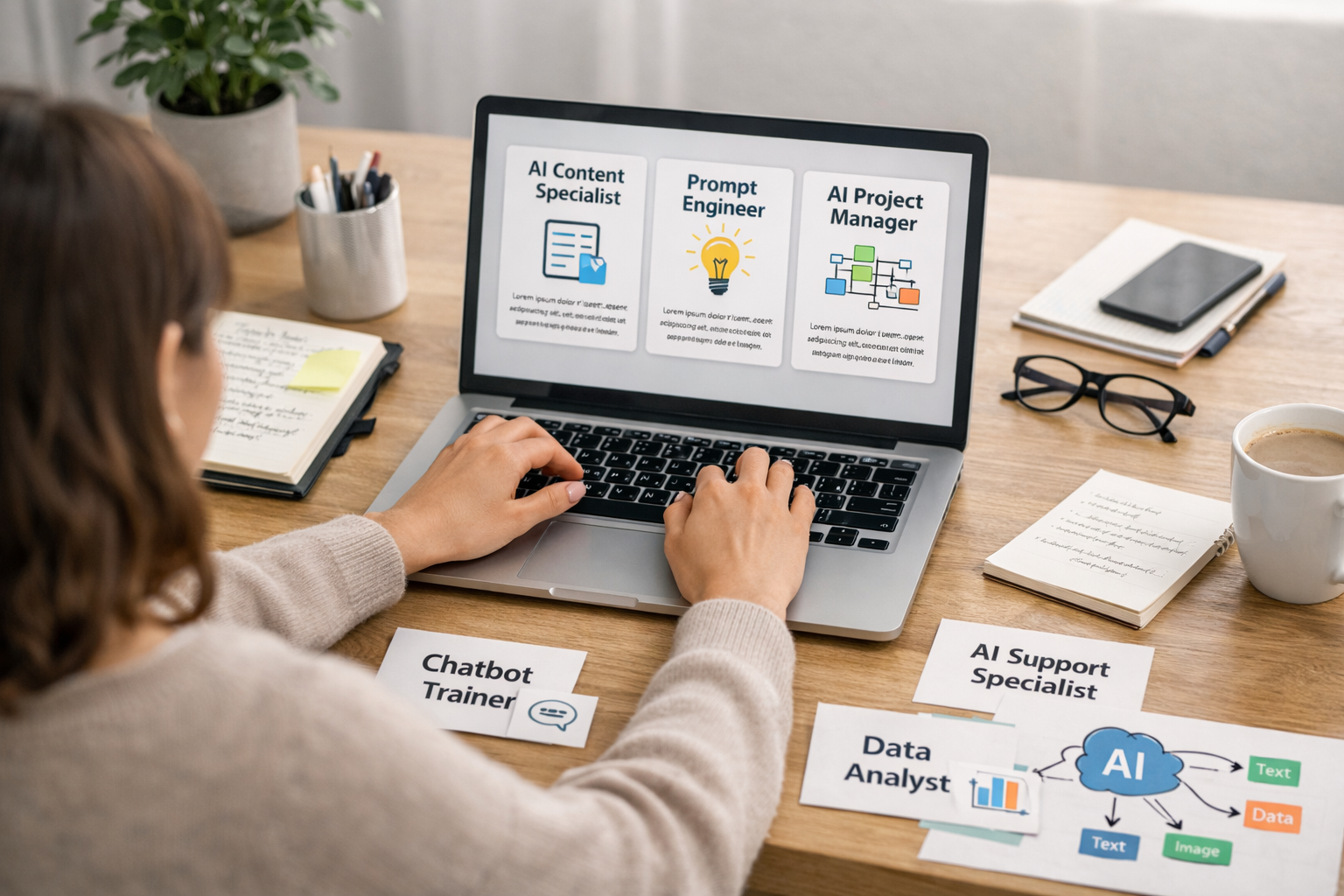
Not every AI-related role involves building complex models. As the field grows, companies also need people who can explain tools, organise projects, review outputs, work with data, and connect business needs with technology.
Possible beginner-friendly directions include:
If you later want formal progression, many structured AI and cloud-learning routes align with major certification frameworks from AWS, Google Cloud, Microsoft, and IBM. That can be useful if your long-term goal is a recognised career path rather than casual learning.
Fear of technology is not only about screens or software. It is often about embarrassment, frustration, and the worry of looking foolish. That is why beginner-friendly learning matters so much.
Here are simple ways to reduce that fear:
A useful benchmark is this: if a lesson makes you feel lost every minute, it is probably too advanced. If it stretches you but you can follow most of it, that is a better fit.
If you want a practical starting point, here is a simple first month:
If you want a structured place to begin, you can register free on Edu AI and explore beginner learning paths without needing advanced knowledge first.
One of the biggest myths in AI is that success belongs only to highly technical people. In reality, many successful learners begin as cautious beginners who simply kept going. They did not wake up fearless. They learned despite feeling unsure.
The goal is not to turn yourself into someone who loves every piece of technology. The goal is to become comfortable enough to use the tools that matter, understand the language, and keep learning as your confidence grows.
If you are patient with yourself, AI can become less of a threat and more of an opportunity. A year from now, the person who feels scared today could be using AI tools at work, studying Python, or even preparing for an entry-level data or AI role.
If this topic feels less intimidating now, your best next move is a small one: choose one beginner lesson and finish it. That first completed step matters more than making a perfect long-term plan. You can also view course pricing to see affordable learning options and find a path that suits your pace. The easiest way into AI is not through pressure. It is through steady, simple progress.




- Learning Evolved.
- Intelligence Amplified.