AI Education — July 12, 2026 — Edu AI Team
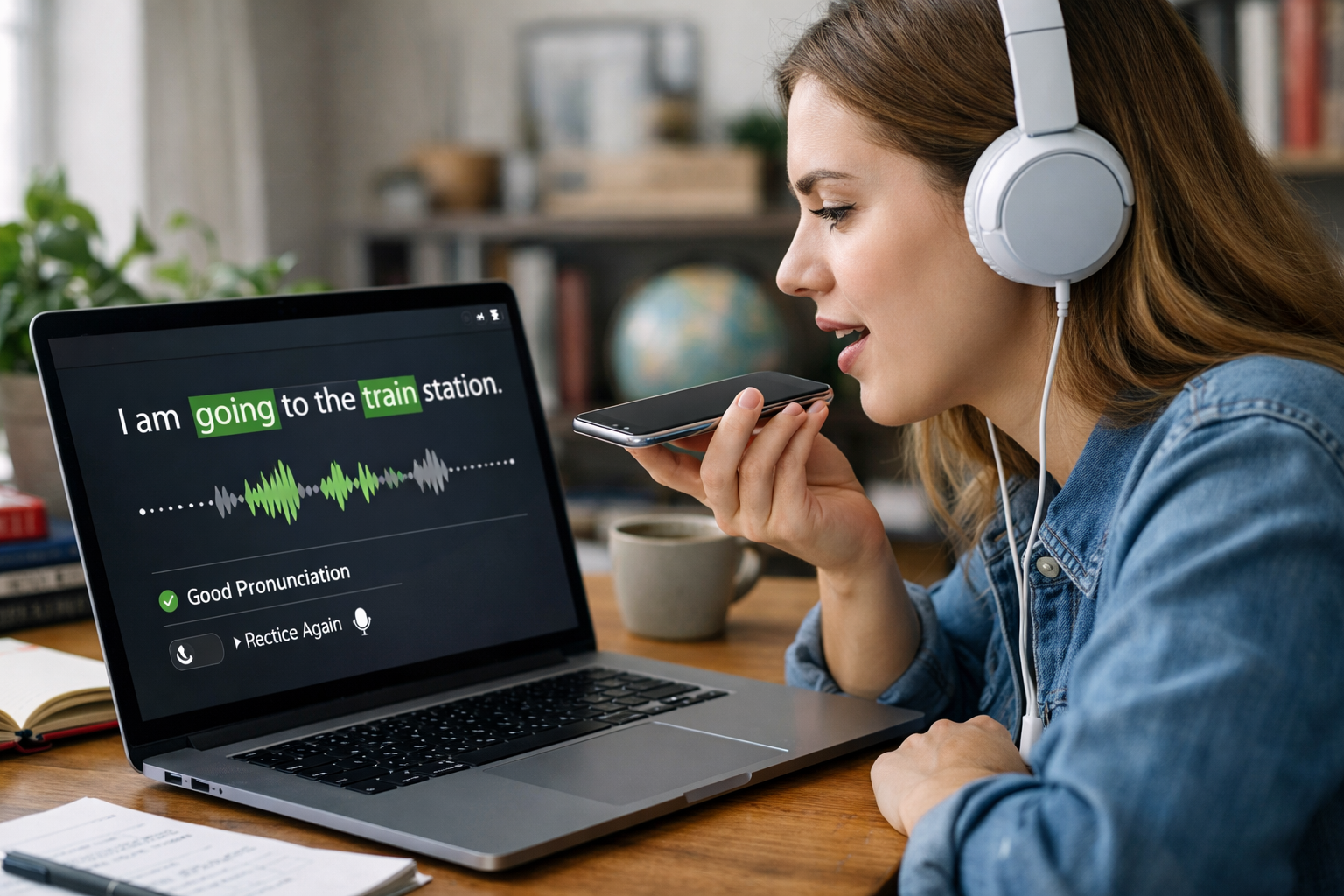
You can start an AI career change with zero tech confidence by treating it like a step-by-step learning project, not a personality test. You do not need to be “a tech person” on day one. You need a simple plan: learn basic computer and Python skills, understand what AI actually is in plain English, build 2 or 3 beginner projects, and translate your past work experience into AI-friendly strengths. Many people move into AI from teaching, admin, retail, finance, customer service, healthcare, and other non-technical backgrounds. The key is to start small, practice regularly, and follow a beginner-friendly path.
If the words artificial intelligence sound huge and intimidating, here is the simple version: AI means teaching computers to spot patterns and make useful predictions or decisions. For example, an email spam filter learns to separate junk mail from real messages. A movie app learns what films you may like. A chatbot learns how to answer questions. Behind these tools are practical skills that beginners can learn one step at a time.
Low confidence is not the same as low ability. Many beginners assume everyone in AI started coding at age 12. That is not true. A lot of professionals enter tech in their 30s, 40s, or later. What they usually build first is not brilliance. It is comfort with being new.
Confidence usually comes after action, not before it. Think of learning AI like learning to drive. You do not wait until you feel confident to sit in the driver’s seat. You start with basic controls, short practice sessions, and clear guidance. AI works the same way.
When people say they want “a job in AI,” they often imagine advanced researchers building robots. In reality, AI careers are much broader. Some roles are technical, but many are beginner-accessible stepping stones.
Notice something important: not every role starts with advanced mathematics. Many begin with curiosity, basic digital skills, and the ability to learn tools in a structured way.
If opening coding software feels scary, begin even earlier. Make sure you can comfortably do simple computer tasks such as managing files, using spreadsheets, copying and pasting code, and following video lessons. This is not “too basic.” It is your foundation.
Set a small weekly target: 30 to 45 minutes a day, 4 days a week. Over 8 weeks, that adds up to roughly 16 to 24 hours of focused practice. That is enough time to make real progress if your learning path is clear.
Python is a programming language, which means a set of instructions humans use to tell a computer what to do. It is popular in AI because its code is relatively readable for beginners. For example, instead of writing long complicated commands, you can often write short, clear ones.
Your first Python goals should be modest:
You do not need to “master coding” before touching AI. You need enough Python to understand what the computer is doing and to experiment safely.
Machine learning is a part of AI where computers learn patterns from examples instead of following only fixed rules. Imagine showing a computer 1,000 house prices along with house size and location. Over time, it learns patterns that help estimate the price of a new house. That pattern-learning process is machine learning.
As a beginner, focus on these ideas:
If these terms feel new, that is normal. The goal is not to memorise definitions. The goal is to understand the basic flow: give examples, learn patterns, make predictions.
Projects matter because they turn passive learning into visible evidence. Employers and clients often care less about where you started and more about what you can show now.
Good first projects include:
These do not need to be original inventions. They need to be understandable, complete, and explained in your own words.
One big reason beginners quit is information overload. AI includes machine learning, deep learning, natural language processing, computer vision, and more. You do not need all of that at once.
Use this beginner sequence:
A structured course can help because it removes the guesswork. Instead of jumping between random videos, you follow a roadmap built for beginners. If you want a clearer path, you can browse our AI courses to see beginner-friendly options across AI, Python, data science, and related topics.
This part is often underestimated. A career change is not starting from zero. It is combining new technical skills with old professional strengths.
For example, a former retail manager could move toward data analysis by combining store performance knowledge with basic spreadsheet analysis and Python. A teacher could move into AI education content, prompt design, or training roles. Your background is not baggage. It is context.
Not always. Some employers value skills, portfolios, and proof of practical learning more than formal degrees, especially for junior roles. Certifications can still help because they show structure and commitment. Beginner-friendly learning paths that align with major industry frameworks such as AWS, Google Cloud, Microsoft, and IBM can be useful when you are trying to show employers that your studies follow recognised standards.
That said, do not collect certificates instead of building skills. A certificate is strongest when it sits beside projects, practice, and a clear story about your career change.
Here is a practical example for someone studying about 5 hours a week:
After 90 days, you may not be job-ready for every AI role, but you can absolutely be far more confident, more informed, and ready for the next stage. The biggest change is often psychological: you stop seeing AI as a mysterious world and start seeing it as a series of learnable skills.
Compare less and track more. Instead of comparing yourself to experienced engineers online, measure things you can control:
Progress in AI is rarely dramatic day to day. It is more like compound interest: small gains repeated consistently. Even 20 focused hours in the right beginner material can change how capable you feel.
If you want to start an AI career change with zero tech confidence, your best move is not to wait until you feel fearless. It is to begin with one beginner-friendly lesson and build momentum. A structured platform can make that first step much easier by showing you what to learn first and what can wait.
You can register free on Edu AI to start exploring beginner learning paths, or view course pricing if you want to compare options before committing. Start small, stay consistent, and let your confidence catch up with your effort.




- Learning Evolved.
- Intelligence Amplified.