3D & Design — March 6, 2026 — Edu AI Team
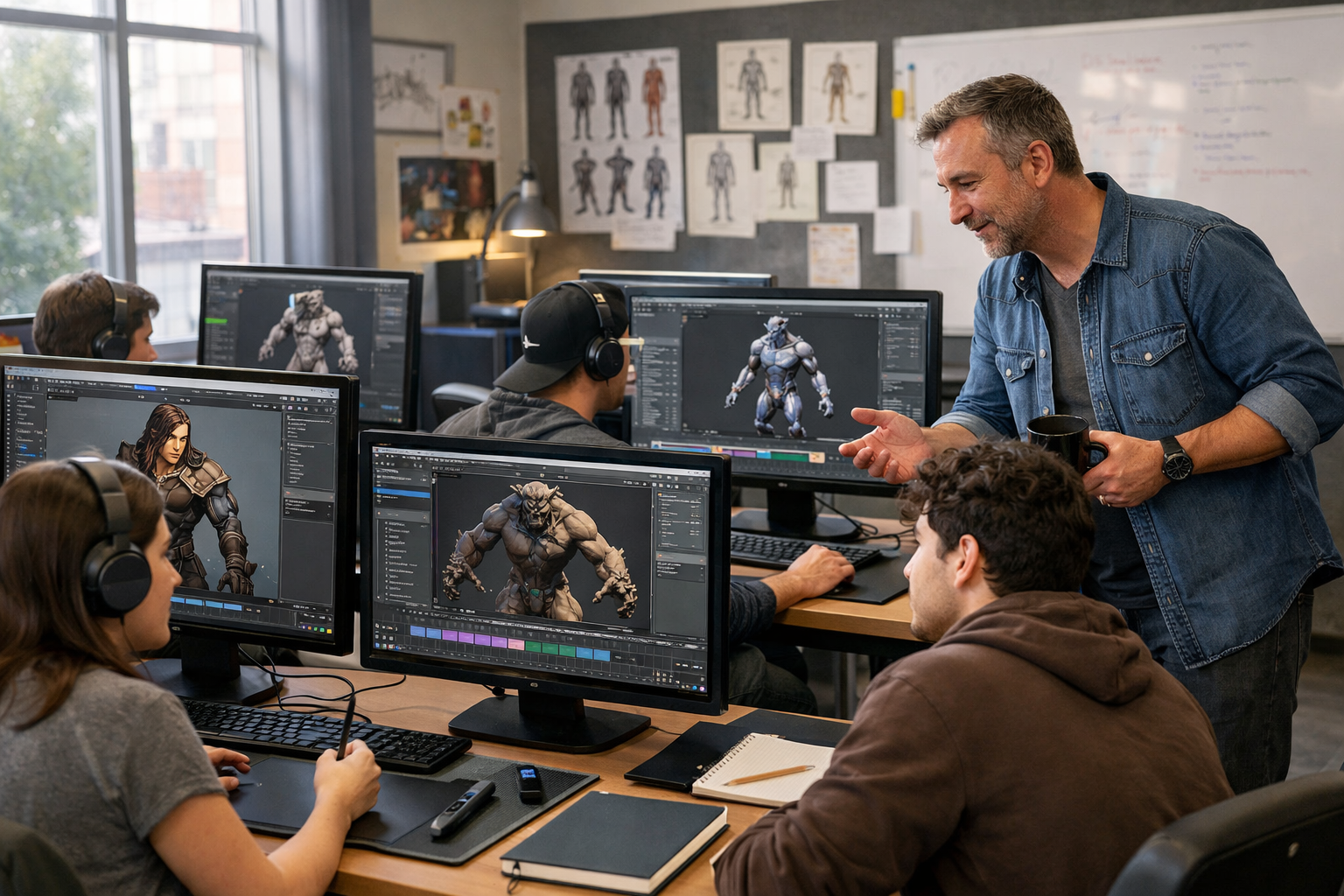
The global demand for 3D content is growing rapidly across film, gaming, advertising, architecture, virtual reality, and social media. If you are creative, technically curious, and passionate about visual storytelling, a career in 3D animation could be both fulfilling and financially rewarding.
This comprehensive 3D animation career guide: skills and salaries explains what 3D animators do, which skills you need, how much you can earn, and how to start building a strong foundation in the industry.
3D animation is the process of creating moving images in a three-dimensional digital environment. Artists use specialized software to model characters and objects, rig them with digital skeletons, apply textures and lighting, and animate movement frame by frame.
Unlike 2D animation, 3D animation simulates depth, realistic lighting, and complex camera angles. It is widely used in:
A 3D animation career offers a unique blend of creativity and technology. You are not just drawing—you are building digital worlds.
Streaming platforms, gaming companies, and tech startups constantly need skilled 3D artists. The rise of the metaverse, VR, and AR has expanded opportunities even further.
You can specialize in character animation, visual effects (VFX), modeling, lighting, rendering, or technical animation. Each path requires slightly different strengths and tools.
Skilled 3D animators can earn strong incomes, especially with experience and a strong portfolio.
Understanding job roles helps you choose the right specialization.
Creates characters, environments, and objects in 3D software. Strong knowledge of anatomy, proportions, and design is essential.
Brings characters to life through movement, facial expressions, and body language. Requires strong storytelling and timing skills.
Builds digital skeletons (rigs) that allow models to move realistically. This role blends animation and technical problem-solving.
Sets up lighting, shadows, and final image output. Responsible for the mood and visual quality of scenes.
Creates simulations such as fire, smoke, explosions, water, and destruction effects.
To succeed, you need a balance of artistic, technical, and soft skills.
Industry-standard tools include:
Blender is especially popular because it is powerful and accessible. You can start building professional skills through our courses in 3D Graphics & Blender.
Mastering core animation principles is critical. These include:
These principles make animation believable and engaging.
Strong drawing skills are helpful but not mandatory. However, you must understand:
Some roles require scripting knowledge (such as Python) to automate tasks or customize tools. Learning programming through structured training in computing can give you a competitive edge.
Animation projects involve teams of artists, designers, and developers. Clear communication and the ability to accept feedback are essential.
You do not necessarily need a traditional university degree to enter 3D animation. Many successful animators are self-taught or trained through online platforms.
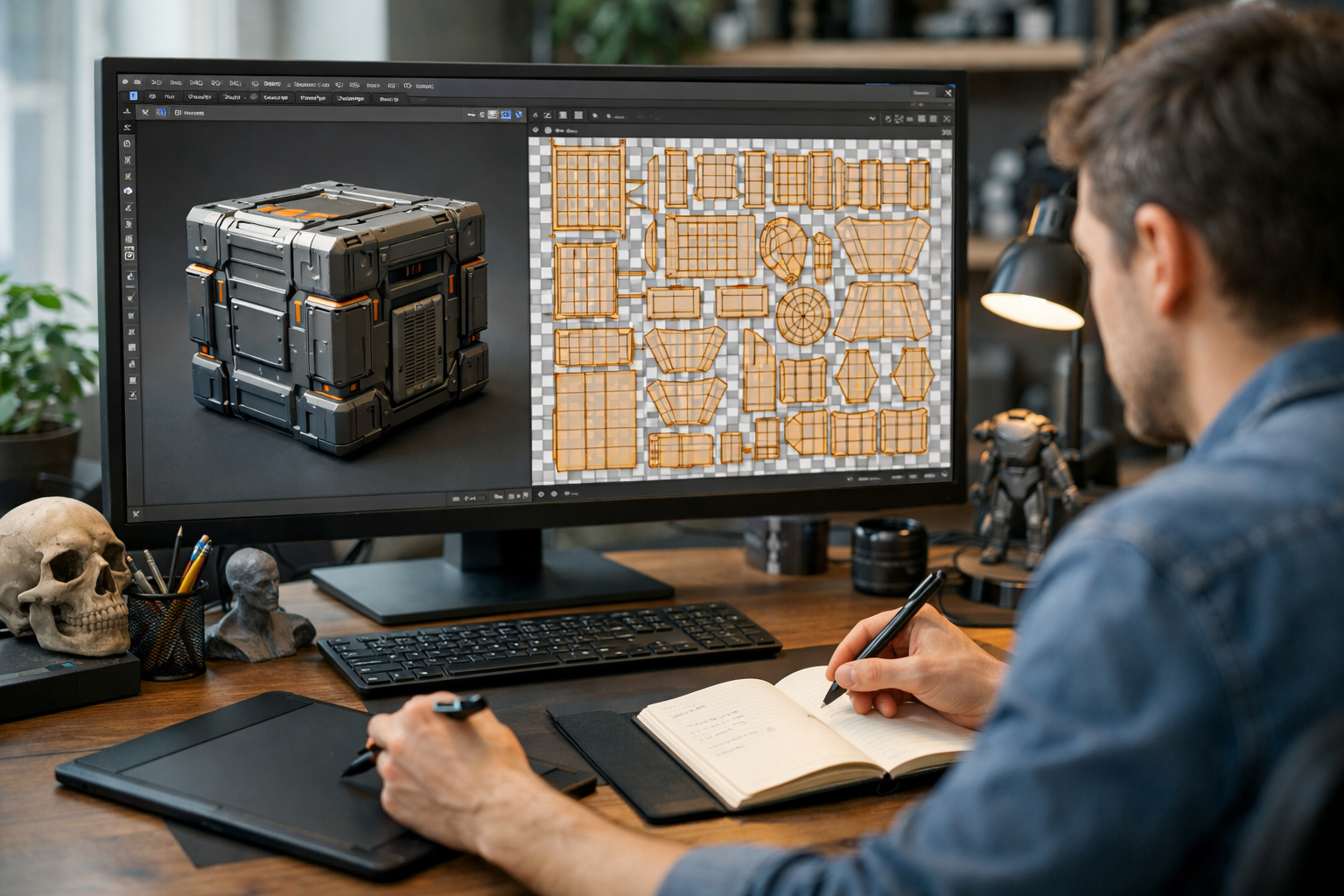
Start with modeling, basic animation exercises (like bouncing balls and walk cycles), and lighting setups.
Your portfolio matters more than your certificate. Include:
After exploring different areas, choose one specialization and deepen your expertise.
Guided learning accelerates progress. Platforms like Edu AI provide structured, AI-powered lessons in 3D design, Blender, and related computing skills. You can register free to start exploring beginner-friendly modules.
Salaries vary by country, company, and experience level. The ranges below reflect typical global averages.
At this stage, your focus should be on building production experience and improving speed and quality.
Mid-level professionals often handle more complex scenes and may mentor junior artists.
Senior professionals manage teams, oversee quality, and contribute to creative direction.
Freelancers may charge hourly rates between $25 and $100+ depending on expertise and region. Remote work opportunities are increasing, allowing artists to work with global studios.
A 3D animation career is not limited to entertainment.
The industry is evolving quickly. Here are trends shaping the future:
Game engines like Unreal Engine are being used in film production for real-time environments.
Artificial intelligence tools can automate rigging, motion capture cleanup, and even basic animation cycles.
Studios increasingly combine physical sets with digital environments, creating new hybrid roles.
Staying updated through continuous learning is critical. Exploring our courses in AI, computing, and 3D graphics can help you stay competitive.
A career in 3D animation may be a great fit if you:
It requires dedication, but the rewards—creative freedom, strong salaries, and global opportunities—make it an exciting path.
This 3D animation career guide: skills and salaries shows that success in the field depends on more than artistic talent. You need technical expertise, a polished portfolio, and continuous learning.
With the right training, consistent practice, and exposure to industry tools, you can build a sustainable and rewarding career in 3D animation. Start small, build projects consistently, and invest in structured learning to accelerate your growth.
The digital world is expanding—and skilled 3D animators are helping shape it.

- Learning Evolved.
- Intelligence Amplified.