Computing — March 14, 2026 — Edu AI Team
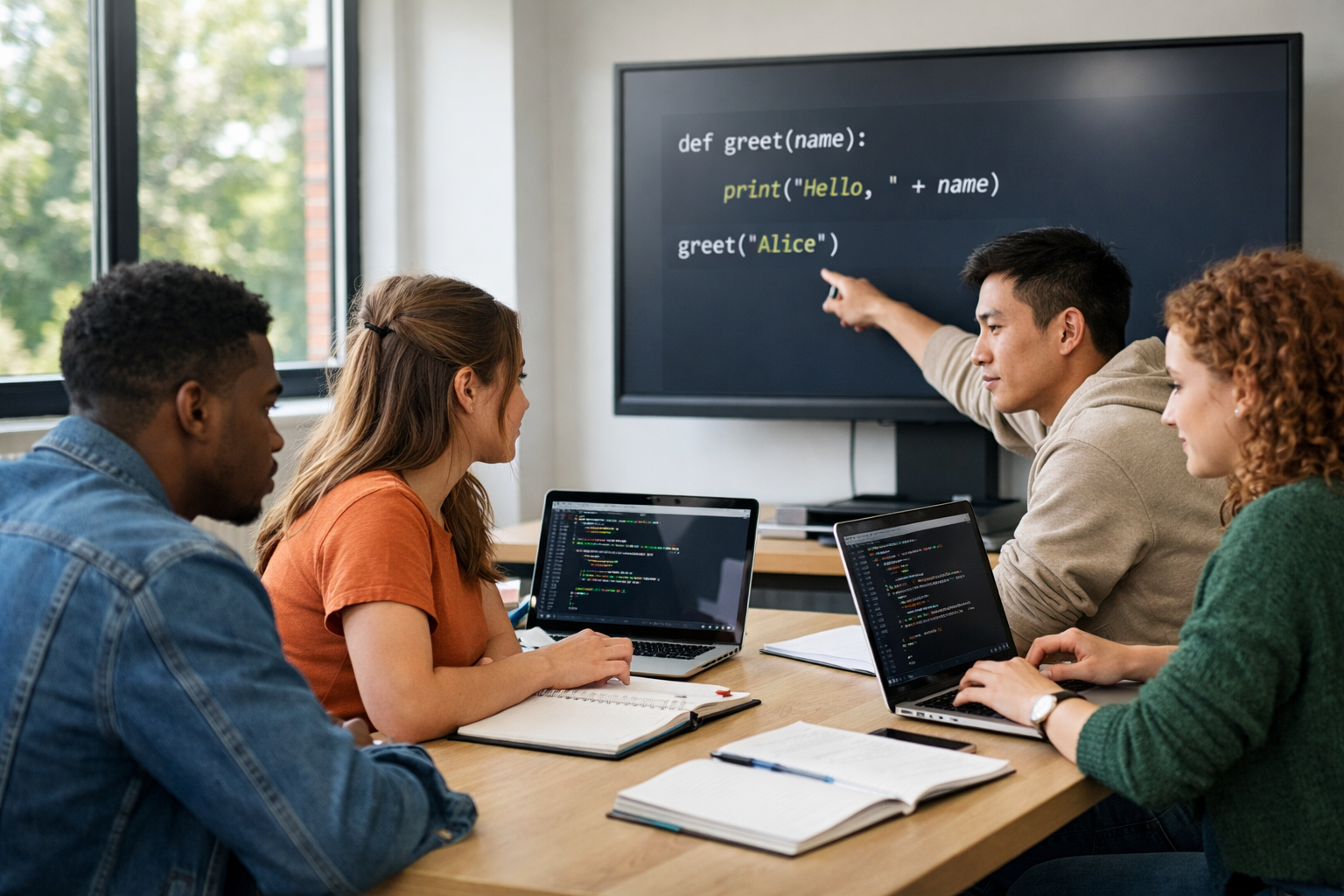
Learning to code is no longer optional in a digital-first world. Whether you want to build websites, analyze data, develop apps, or enter artificial intelligence, programming is one of the most valuable skills you can develop. The good news? You don’t need a large budget to get started.
In this guide, we break down the best free programming courses for beginners in 2026, what makes them effective, and how to choose the right one for your goals. We also explain how structured, AI-powered learning can help you progress faster than traditional self-study alone.
The demand for programming skills continues to grow across industries. In 2026, coding is no longer limited to software engineers. Professionals in finance, healthcare, marketing, design, and research all rely on programming tools.
Free courses provide an accessible starting point — but choosing the right one makes all the difference.
Not all free courses are equal. The best beginner-friendly programs in 2026 share these characteristics:
Beginners need step-by-step progression. Random tutorials without a learning path often lead to confusion.
Watching videos is not enough. The best courses include coding exercises, projects, and real-world examples.
Technical jargon should be introduced gradually. Concepts like variables, loops, and functions must be explained clearly.
Learning is faster when you can ask questions or get feedback on your code.
Programming languages evolve. Courses must reflect current tools, frameworks, and best practices in 2026.
Python remains the most recommended first language. It is readable, versatile, and used in web development, automation, AI, and data science.
Top platforms offering free beginner Python courses:
Look for courses that cover:
If you want structured, AI-guided progression beyond the basics, explore our courses designed specifically for beginners in Computing & Python.
Web development is another excellent starting point. You see results quickly — building real websites motivates beginners to continue.
A strong free web development course should include:
Many platforms now offer browser-based coding environments, so you don’t even need to install software to begin.
JavaScript powers the modern web. In 2026, it remains essential for front-end development and increasingly important for backend systems.
Look for courses that emphasize:
Project-based learning — such as creating a to-do list app — dramatically improves retention.
If you prefer understanding the theory behind programming, consider a free introductory computer science course.
These courses typically cover:
This approach builds strong foundations, especially if you plan to pursue advanced topics like machine learning or systems programming.
For ambitious beginners, introductory AI courses are increasingly accessible. However, basic Python knowledge is usually required.
If your long-term goal is AI, consider starting with Python, then moving into structured AI learning paths such as those offered in our courses.
With so many options available, decision fatigue is common. Use this simple framework:
Even the best free programming courses for beginners in 2026 will not work without consistency. Aim for 30–60 minutes per day.
Switching from Python to JavaScript to C++ in the first month creates confusion. Master one language first.
Passive learning feels productive but leads to shallow understanding. Always code alongside lessons.
Projects consolidate knowledge. Even simple ones — like a number guessing game — strengthen confidence.
The first few weeks are challenging. Logical thinking develops over time. Persistence is key.
Traditional free courses are often static: pre-recorded videos and fixed exercises. In contrast, AI-powered learning adapts to your pace and skill level.
Benefits include:
This is particularly valuable for beginners who may struggle alone. If you want structured progression beyond free tutorials, you can register free and explore guided learning paths tailored to your goals.
Free beginner courses are an excellent starting point. However, transitioning from “learning syntax” to “building real solutions” requires:
A structured curriculum helps bridge this gap. Many learners start with free resources and then move into guided programs to accelerate progress.
The best free programming courses for beginners in 2026 make coding accessible to everyone. Whether you choose Python, web development, or computer science fundamentals, the most important step is starting.
Begin with a clear goal, practice consistently, and build small projects. As your confidence grows, transition into more structured, AI-supported learning for faster results.
The barrier to entry has never been lower. Choose a course, commit to 30 minutes today, and take the first step toward mastering programming.


- Learning Evolved.
- Intelligence Amplified.