3D & Design — March 7, 2026 — Edu AI Team
If you're exploring digital design, gaming, filmmaking, or visual effects, you've likely come across the terms 3D modelling and 3D animation. While they are closely related and often used together in projects, they are not the same thing. Understanding the difference between 3D modelling and 3D animation is essential if you’re planning to build a career in 3D graphics or choose the right learning path.
In this guide, we’ll clearly explain how they differ, how they work together, the tools and skills required for each, and which path might be right for you.
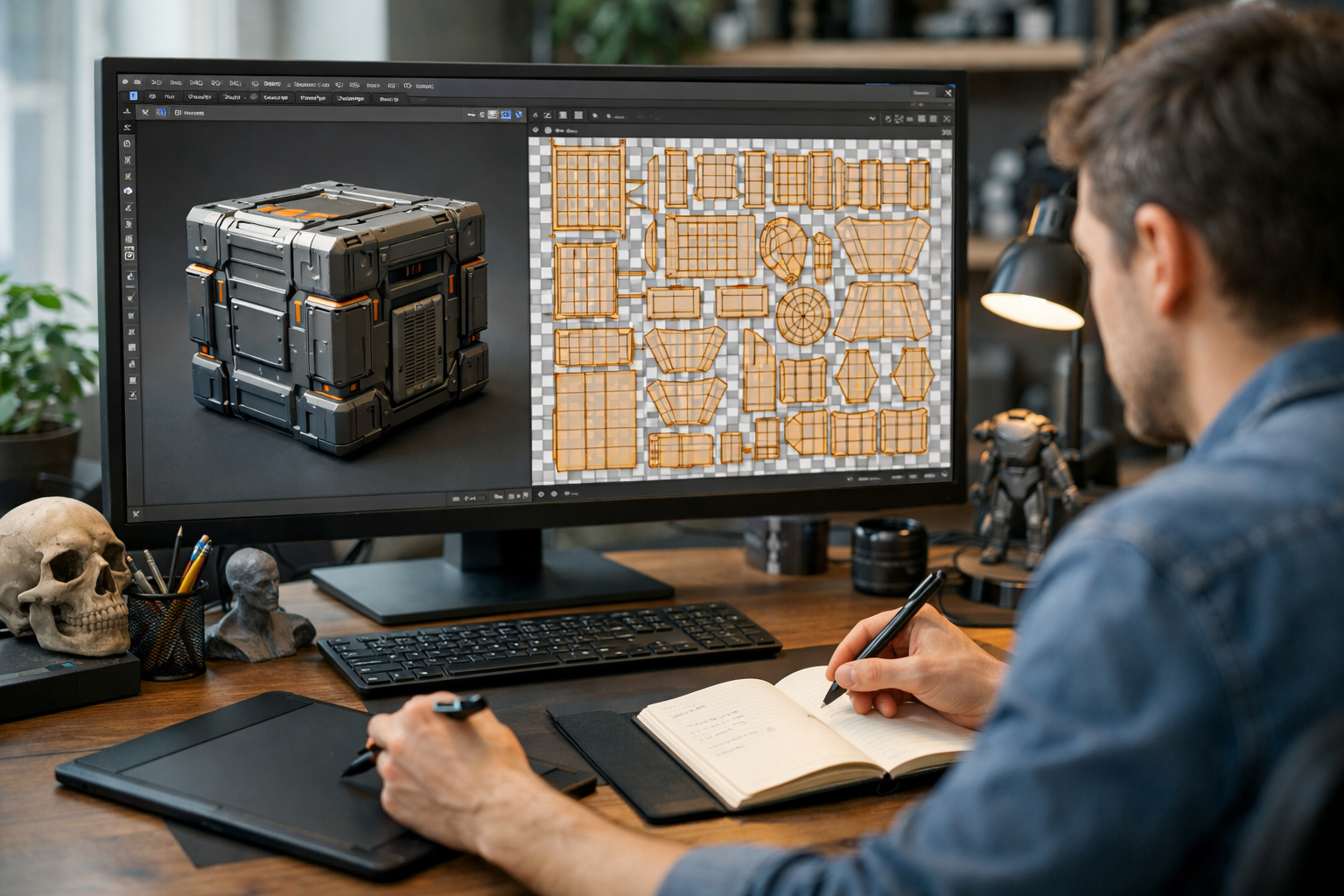
3D modelling is the process of creating a three-dimensional digital representation of an object using specialised software. These objects can be anything — characters, buildings, vehicles, furniture, landscapes, or even abstract designs.
Think of 3D modelling as digital sculpting. A 3D modeller builds the shape, structure, and surface details of an object so it can exist in a virtual 3D space.
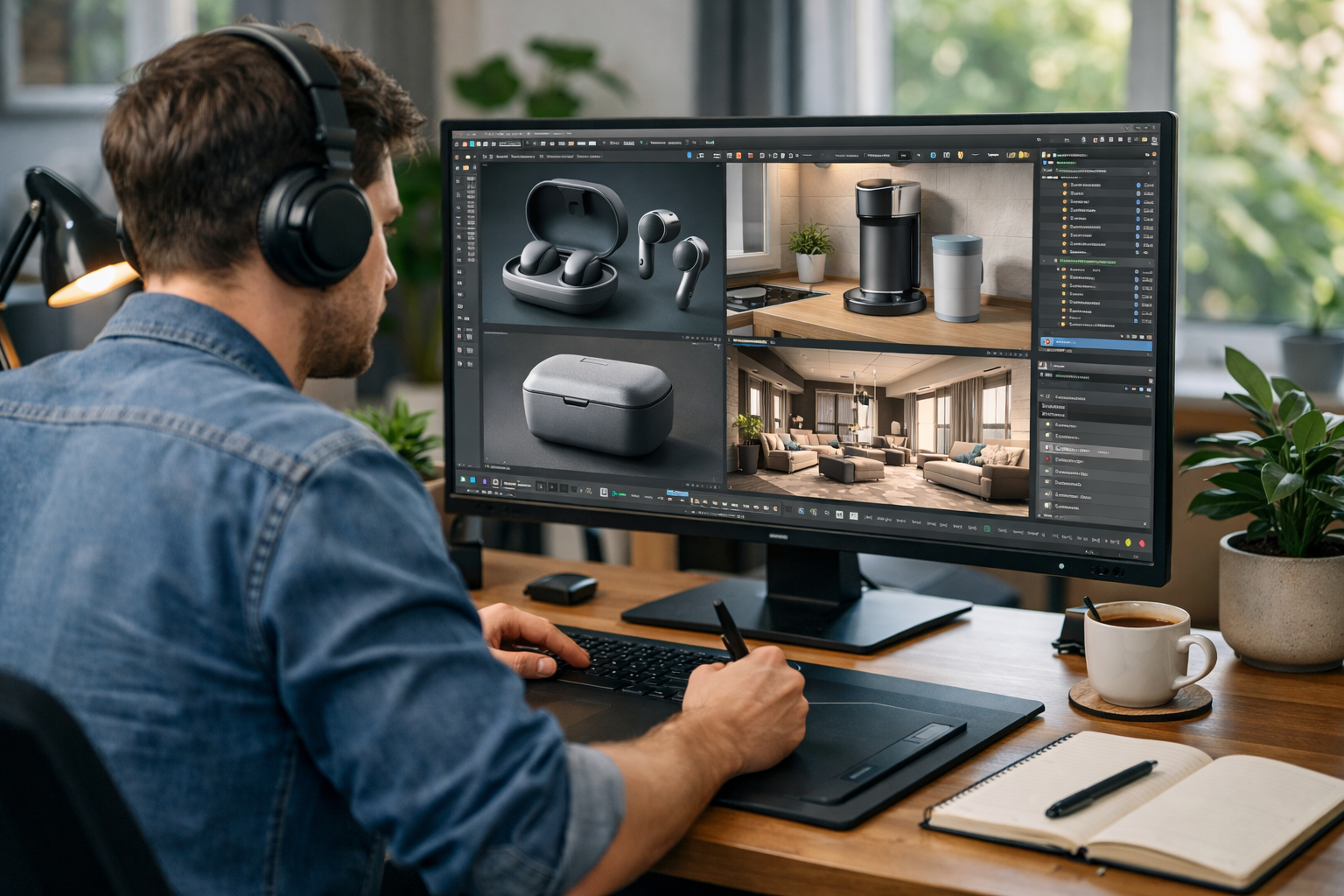
Popular 3D modelling software includes Blender, Maya, 3ds Max, and Cinema 4D. If you're new to 3D design, exploring our courses can help you master modelling fundamentals step by step.
Without 3D models, there would be nothing to animate. Modelling is the foundation of any 3D visual project.
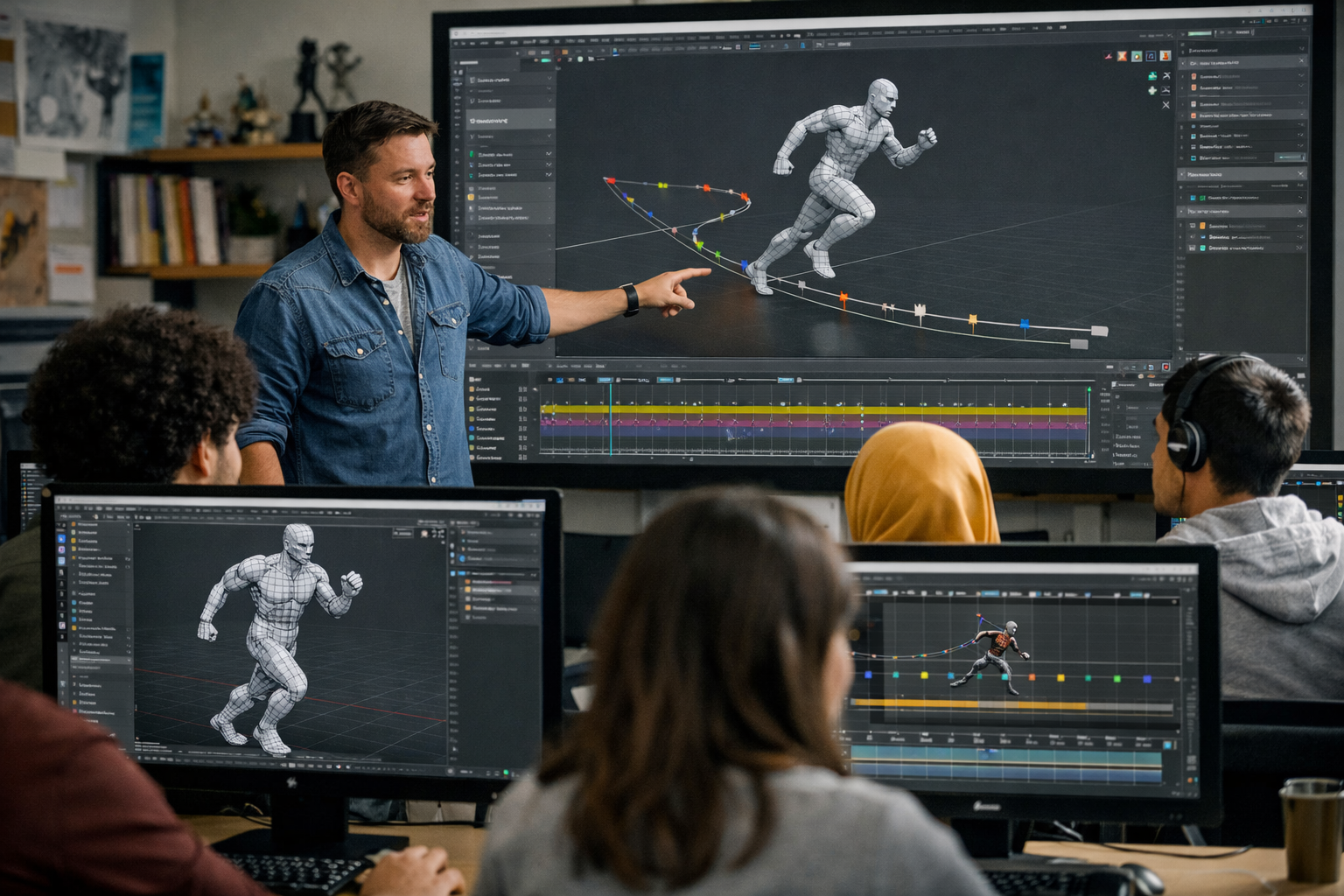
3D animation is the process of bringing 3D models to life by creating movement. Animators manipulate digital objects over time to simulate motion, expression, and physical behavior.
If 3D modelling builds the character, 3D animation makes that character walk, talk, jump, and interact with the environment.
3D animation typically involves:
Animators use timelines and frames to control movement. For example, if a character raises their hand, the animator defines the starting position, the ending position, and how the movement flows between them.
Now that we understand both concepts, let’s clearly compare them.
Although both use similar software (like Blender or Maya), they use different features:
In real-world projects, modelling and animation are deeply connected.
For example, in a video game production pipeline:
If the model is poorly designed (bad topology), animation becomes difficult. That’s why understanding both disciplines — even if you specialise in one — is highly valuable.
3D modelling careers are strong in gaming, film, architecture, and e-commerce industries.
Animation roles often require storytelling skills and an understanding of physics and human motion.
For beginners, learning 3D modelling first is usually recommended. Here’s why:
However, if you’re passionate about storytelling and character performance, you might enjoy animation more.
The good news? Modern 3D software like Blender allows you to learn both. At Edu AI, we provide structured, AI-guided learning paths in 3D graphics. You can explore our courses to start building professional-level skills today.
In most cases, you don’t need to know programming to start 3D modelling or animation. However, basic scripting knowledge (like Python in Blender) can:
If you want to expand into technical roles, combining 3D skills with programming can significantly increase your career opportunities.
They are different specialisations. While both fall under 3D graphics, they require different strengths and workflows.
Professional animation involves emotion, weight, timing, and storytelling. It’s both technical and artistic.
Many professionals understand both modelling and animation. Having cross-disciplinary knowledge makes you more versatile and employable.
Artificial intelligence is rapidly changing the 3D industry:
Learning 3D graphics alongside AI skills gives you a future-ready advantage. If you're ready to start, you can register free and begin exploring structured, AI-powered lessons.
The difference between 3D modelling and 3D animation comes down to creation versus movement. Modelling builds the digital object. Animation brings it to life.
Both are essential in film, gaming, architecture, advertising, and digital media. Whether you choose to specialise in one or learn both, understanding their roles will help you navigate the 3D industry with clarity and confidence.
As technology continues to evolve, skilled 3D artists remain in high demand. The key is to start learning with structured guidance, practice consistently, and build a strong portfolio. Your journey into the world of 3D graphics can begin today.

- Learning Evolved.
- Intelligence Amplified.