AI Education — July 14, 2026 — Edu AI Team
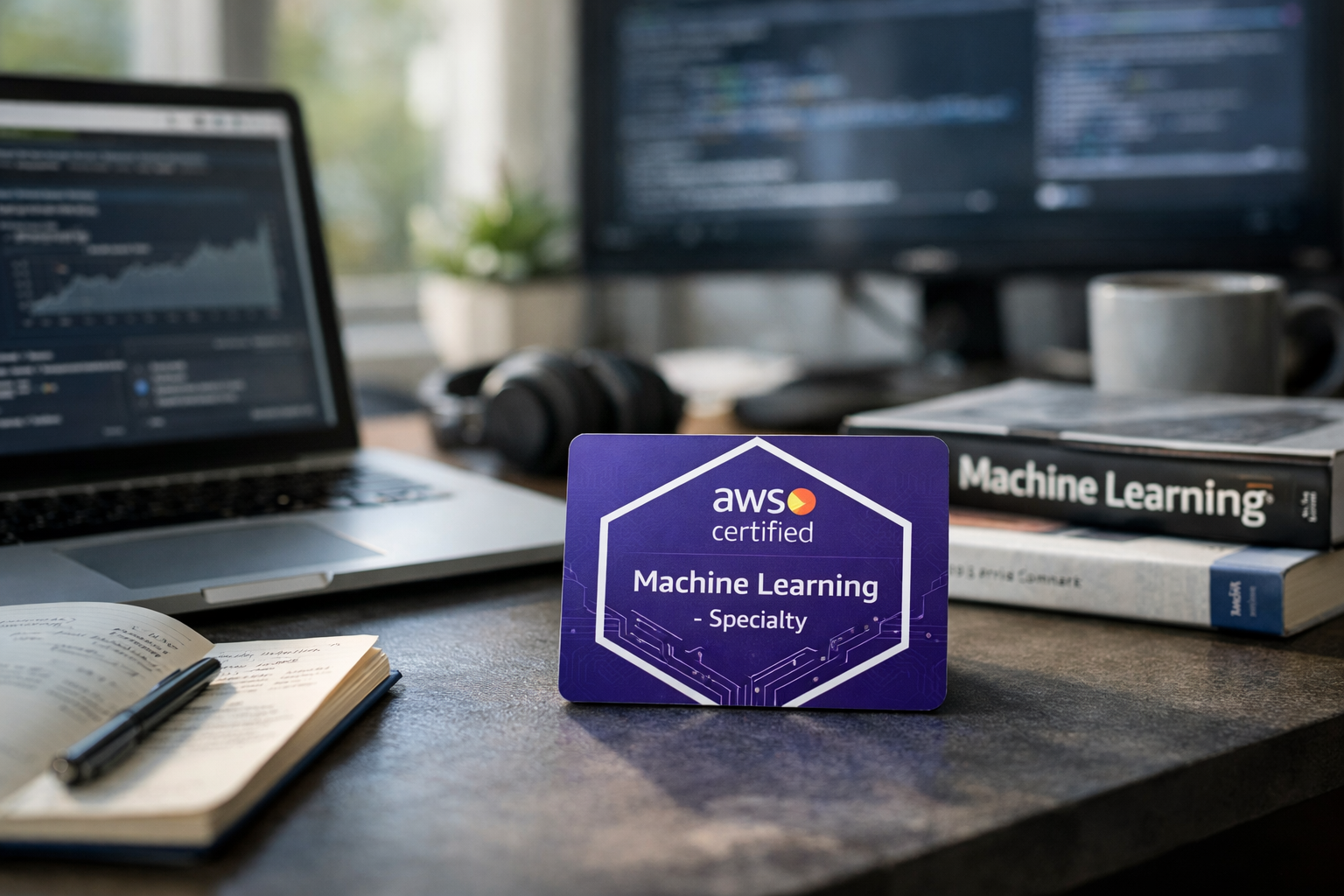
If you are looking for simple first steps to move from your current job into AI, the short answer is this: start by learning basic digital skills, understand what AI actually is in plain English, choose one beginner-friendly path, study for 30 to 60 minutes a day, and build 2 or 3 small projects that connect AI to the work you already know. You do not need to quit your job, become a math expert overnight, or have years of coding experience before you begin.
That matters because many people think AI is only for software engineers. It is not. AI, short for artificial intelligence, means computer systems that can perform tasks that normally need human thinking, such as spotting patterns, answering questions, recommending products, or understanding text and images. Today, people move into AI from marketing, finance, teaching, customer service, HR, operations, healthcare, and many other fields.
The smartest transition is usually not a dramatic career jump. It is a steady shift. You keep your current job, learn the basics, connect AI to your existing experience, and grow from there.
Ten years ago, entering AI often meant advanced degrees, research work, and strong programming skills. Now the path is much more accessible. Beginner courses, low-code tools, guided learning platforms, and practical business use cases have made entry easier.
For example, a marketing assistant might learn how AI helps write first drafts, analyse customer feedback, or group audiences. A finance professional might use AI to spot trends in spending data. A teacher might use AI tools to create lesson materials faster. In each case, the person does not start by building complex systems from scratch. They start by understanding how AI solves real problems.
This is important for hiring too. Many employers are not only looking for "AI experts." They also value people who understand business processes and know how AI can improve them. Your current job experience is not wasted. It can become your advantage.
The first barrier is often emotional, not technical. Beginners commonly believe:
In most cases, none of these are true. What you need first is consistency, not perfection. If you study for just 5 hours a week, that becomes about 20 hours a month. In 6 months, that is roughly 120 hours of focused learning. That is enough time to understand the foundations, practise beginner projects, and speak confidently about AI in interviews.
Think of AI like learning a new professional language. At first, the words sound unfamiliar. Then the ideas start to connect. Over time, what felt confusing becomes normal.
Before you choose a job path, understand the basic terms.
Artificial intelligence is the broad idea of computers doing tasks that seem intelligent, such as answering questions, recognising images, or making recommendations.
Machine learning is a part of AI. It means a computer learns patterns from examples instead of following only fixed step-by-step rules. For instance, if you show a system thousands of examples of spam and non-spam emails, it can learn how to sort future emails.
Data science is the practice of collecting, cleaning, studying, and explaining data so people can make better decisions. It often overlaps with AI, but not every data science task uses AI.
As a beginner, you do not need to memorise everything. You just need a clear mental picture. AI is the big field, machine learning is one part of it, and data science helps turn raw information into useful answers.
One common mistake is trying to learn everything at once: Python, machine learning, deep learning, data science, cloud tools, maths, and prompt engineering all in the same month. That usually leads to confusion.
Instead, pick one starting direction based on your interests and current job background:
If you are unsure where to begin, the safest route is usually to start with digital basics, simple Python, and beginner AI concepts. A structured path can make this much easier, so it helps to browse our AI courses and see which entry-level topics match your goals.
You do not need an extreme schedule. A realistic plan is better than an ambitious plan you cannot keep.
That is around 3 to 4 hours per week. For most working adults, this is manageable.
The goal of the first 4 to 8 weeks is not mastery. It is familiarity. You want to stop feeling like AI is mysterious.
This is where career changers become more competitive. Employers often prefer someone who understands a real business area plus AI basics over someone who only knows theory.
Ask yourself:
For example:
When you link AI to your current profession, your transition becomes more practical and easier to explain on your CV and in interviews.
You do not need a huge portfolio. For a first move into AI, small projects are enough if they clearly show what you learned.
Good beginner project ideas include:
Even one-page project write-ups can be useful. Explain the problem, the data, the method, and the result in plain English. This shows understanding, not just tool use.
If you want guided practice instead of guessing what to build, beginner-focused courses can help you progress step by step. Edu AI offers structured learning in AI, machine learning, Python, data science, generative AI, and related areas, with topics designed to be accessible for newcomers. Where relevant, courses also support learning paths that align with major certification frameworks such as AWS, Google Cloud, Microsoft, and IBM.
Many beginners search for "AI jobs" too early and only see advanced roles. A smarter approach is to look for entry routes.
Useful early-career or transition-friendly roles may include:
You may not move directly into a highly technical machine learning engineer role in your first step, and that is fine. Career transitions often happen in stages. First you enter an adjacent role, then you deepen your technical skills.
Saying "I am interested in AI" is not enough. Hiring managers respond better to proof.
Your proof can include:
This is one reason structured study matters. A course gives you milestones, practice, and a more credible story about your progress. If you are comparing options before committing, you can also view course pricing to choose a path that fits your budget and timeline.
There is no single answer, but a realistic beginner timeline looks like this:
The timeline depends on your background, available time, and learning consistency. But for most people, progress is much faster once they stop trying to understand everything before starting.
If you want a practical way to begin, the best next step is to choose one beginner course, set a weekly study schedule, and start learning in small, repeatable sessions. You do not need to map out your entire future today. You only need to take the first clear step.
When you are ready, you can register free on Edu AI and start exploring beginner-friendly learning paths designed for people moving from other jobs into AI. A steady start now can become a real career change later.




- Learning Evolved.
- Intelligence Amplified.