Languages — April 13, 2026 — Edu AI Team

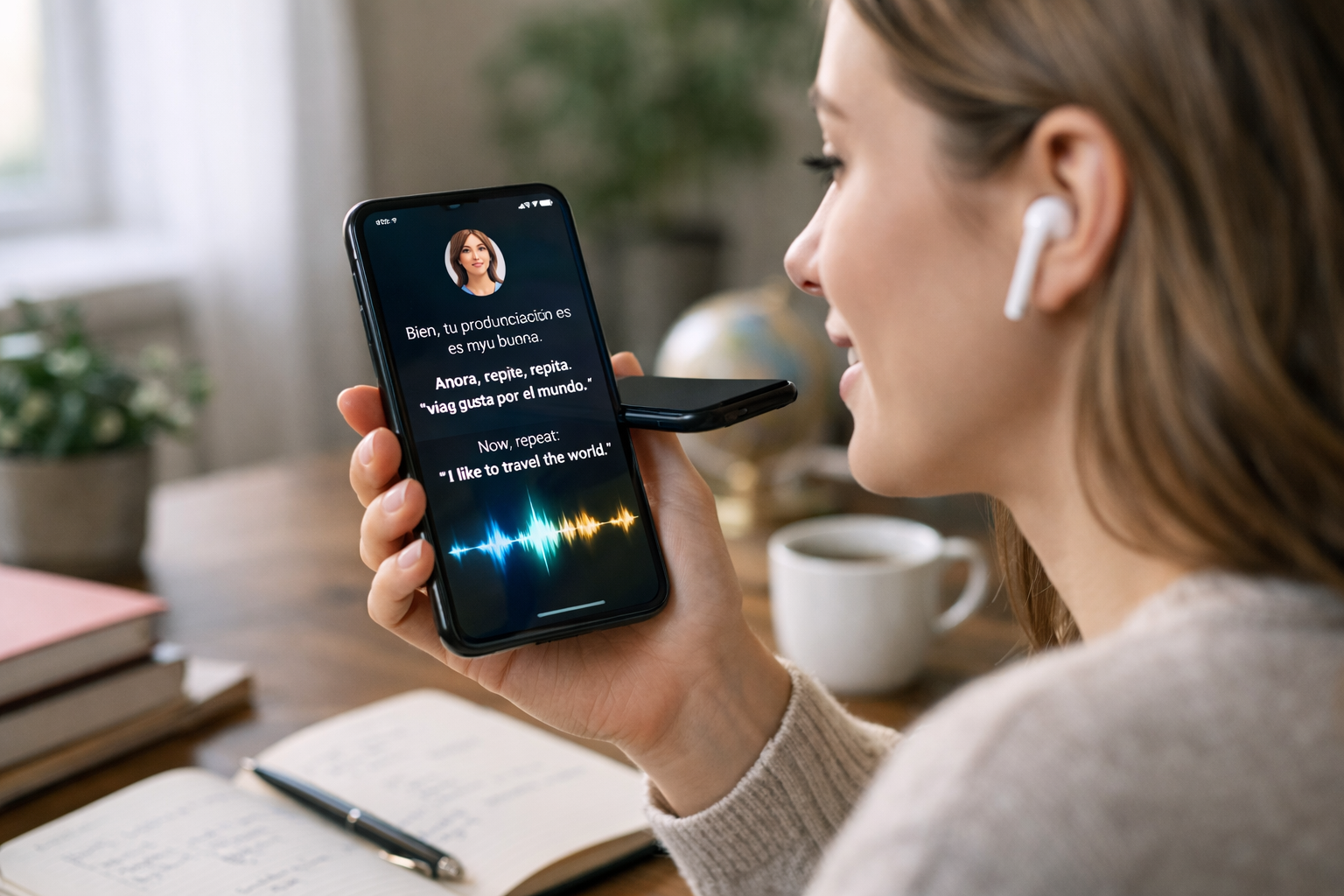
Machine learning adapts language courses to your level in real time by watching how you answer, how quickly you respond, what mistakes you repeat, and what you already know. It then adjusts the next question, exercise, lesson speed, or review task almost instantly. In simple terms, it acts like a smart tutor: if a lesson feels too easy, it raises the difficulty; if you are struggling, it slows down, gives extra practice, and explains the weak area again.
For beginners, this matters because traditional language courses usually move everyone at the same pace. But real learners do not learn in the same way. One student may understand reading quickly but find speaking difficult. Another may remember grammar rules but forget vocabulary after a day. Machine learning helps an online course react to those differences instead of forcing everyone through a fixed path.
Machine learning is a type of computer system that improves its decisions by learning from data. Data simply means information. In a language course, that information could include:
Instead of using only one fixed lesson plan, the system studies these patterns and chooses what you should see next. It does not think like a human teacher, but it can spot useful patterns very quickly across thousands or even millions of learning actions.
This is why adaptive language learning feels more personal. The course is not just showing content. It is responding to your behavior.
The words real time mean the system updates the lesson while you are learning, not weeks later after a final test. That can happen in a few seconds.
Imagine you are learning Spanish and the lesson is teaching basic food words. You answer 10 vocabulary questions:
A machine learning system can use those signals to make immediate changes. Instead of giving you 20 more easy food words, it might:
Now imagine a different learner gets only 4 out of 10 correct and takes 12 seconds per answer. The same course may respond by:
That is adaptation in action. The lesson changes because the learner’s performance changes.
This is the simplest measure: did you get the answer right or wrong? If you consistently score above 85% in a topic, the platform may decide you are ready to move ahead. If you drop below 60%, it may add review before new material.
Correct answers are helpful, but speed also matters. If you answer correctly in 2 seconds, that usually shows stronger understanding than getting the same answer right after 20 seconds of guessing or hesitation.
The most useful systems do not just count mistakes. They look at which mistakes you make. For example, if you always confuse past tense endings, the course can focus on that exact grammar point instead of making you repeat everything.
Language learning is not only about understanding something once. It is about remembering it later. Many adaptive systems check when you are likely to forget a word and bring it back at the right time. This can save time compared with random review.
Some learners do better with audio first. Others need visual examples or short reading tasks. A platform may notice that your scores rise when listening comes before speaking, then adjust the lesson order to match that pattern.
Let’s say Maria is learning beginner French online.
On day one, the course gives her a short placement activity. A placement activity is a starting test used to estimate your current level. Maria answers 30 questions:
The system builds an early profile. That profile is not permanent. It is just a starting guess.
During the next lesson, Maria improves quickly in reading. Her average score rises from 55% to 78%. But in listening tasks, she still misses common words. So the platform changes her path:
After a week, Maria’s listening score climbs from 40% to 68%. The system now increases the speed slightly and introduces simple conversations. This is how the course keeps matching her level instead of locking her into one track.
In a traditional classroom, a teacher may have 20 or 30 learners at once. Even a great teacher cannot redesign every exercise every minute for each person. Machine learning can help fill that gap online by making many small adjustments automatically.
Here are the main benefits:
This balance matters. If a course is too easy, you lose interest. If it is too hard, you may quit. Adaptive systems aim for the middle: challenging enough to grow, but not so difficult that you feel lost.
No. In most cases, it works best as a support tool, not a full replacement. Human teachers still bring things machines cannot fully copy, such as empathy, cultural explanation, motivation, and deeper conversation practice.
What machine learning does very well is handle fast pattern detection. It can notice that you miss article agreement 7 times in 15 minutes, or that your vocabulary recall falls after three days, and it can react immediately. A teacher can then spend more time on guidance and less time on routine checking.
For self-paced online learners, this kind of instant support can be especially valuable. It gives beginners feedback without waiting for a live class.
Not every platform that says “AI-powered” is truly helpful. If you are new, look for signs that the system actually adapts to you.
If you are also curious about the technology behind systems like these, it can help to browse our AI courses and see beginner-friendly options in machine learning, natural language processing, and related topics. Understanding the basics can make modern learning tools feel much less mysterious.
Adaptive learning is useful, but it is not magic. A smart system can improve the path, but you still need regular practice. If you study 10 minutes once a month, no algorithm can create fluency for you.
There are also some limits:
The best approach is to use machine learning as a practical tool. Let it personalize the routine work, while you stay focused on consistency, speaking practice, and real understanding.
The same idea is now used across many subjects, from coding to personal development. A system watches learner progress, estimates what comes next, and adjusts the path. That is one reason so many beginners are becoming interested in AI education itself.
If you want to move from “I use AI tools” to “I understand how they work,” starting with simple explanations can make a big difference. Many learners begin with practical, no-jargon courses before moving into more advanced topics.
Machine learning adapts language courses to your level in real time by turning your answers, mistakes, speed, and memory patterns into smarter lesson decisions. For beginners, that means less wasted time, more useful practice, and a learning path that feels personal instead of generic.
If you want to explore beginner-friendly learning powered by clear explanations and practical structure, you can register free on Edu AI to get started. You can also view course pricing when you are ready to compare options and choose a path that fits your goals.



- Learning Evolved.
- Intelligence Amplified.