Discover fresh insights across AI & Machine Learning, 3D Graphics & Design, Computing & Python, Economics & Finance, Language Learning, and Personal Development. Our newest posts cover easy AI career change ideas for beginners, how to start preparing for an AI career full-time, and the best AI careers for beginners changing jobs later. Explore the latest articles and find practical guidance for your next learning step.

Yes, you can move from healthcare into AI even if you cannot code today. This guide breaks the switch into simple, practical steps for complete beginners.
READ MORE
Thinking about switching careers after 30? This beginner-friendly guide explains how to move into AI step by step, even if you have no coding background.
READ MORE
Changing careers later in life can feel risky, but AI offers several beginner-friendly roles that do not require a computer science degree. This guide explains the best options, what they involve, and how to start simply.
READ MORE
You do not need to quit your job to move into AI. This beginner-friendly guide shows how to build skills, manage time, and create a realistic path into an AI career.
READ MORE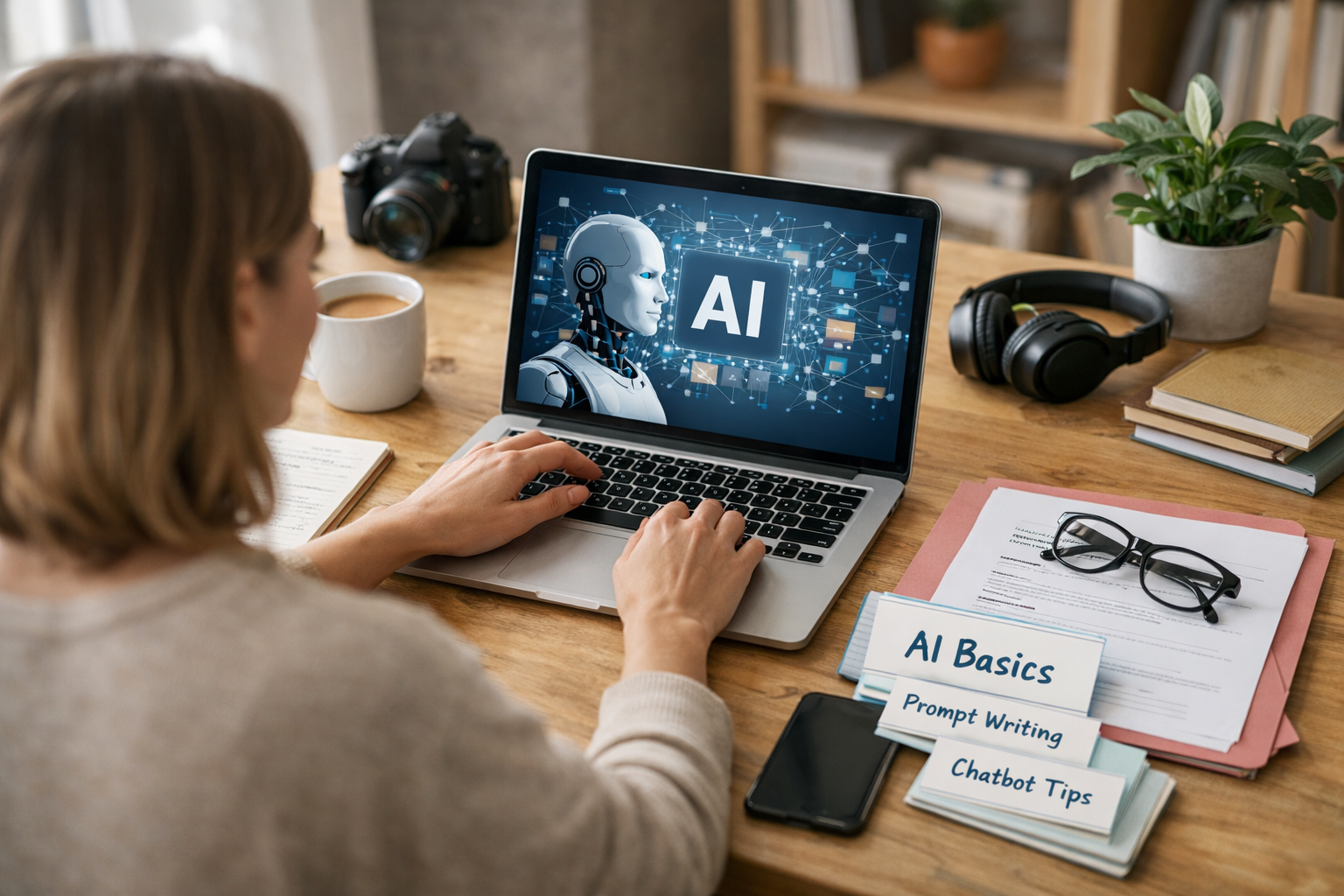
You do not need a computer science degree to move into AI-related work. This guide breaks down realistic beginner-friendly roles, skills, and first steps in plain English.
READ MORE
Not sure where to start in AI? This beginner-friendly guide explains the core ideas, common career paths, and a simple plan to explore AI before committing to one direction.
READ MORE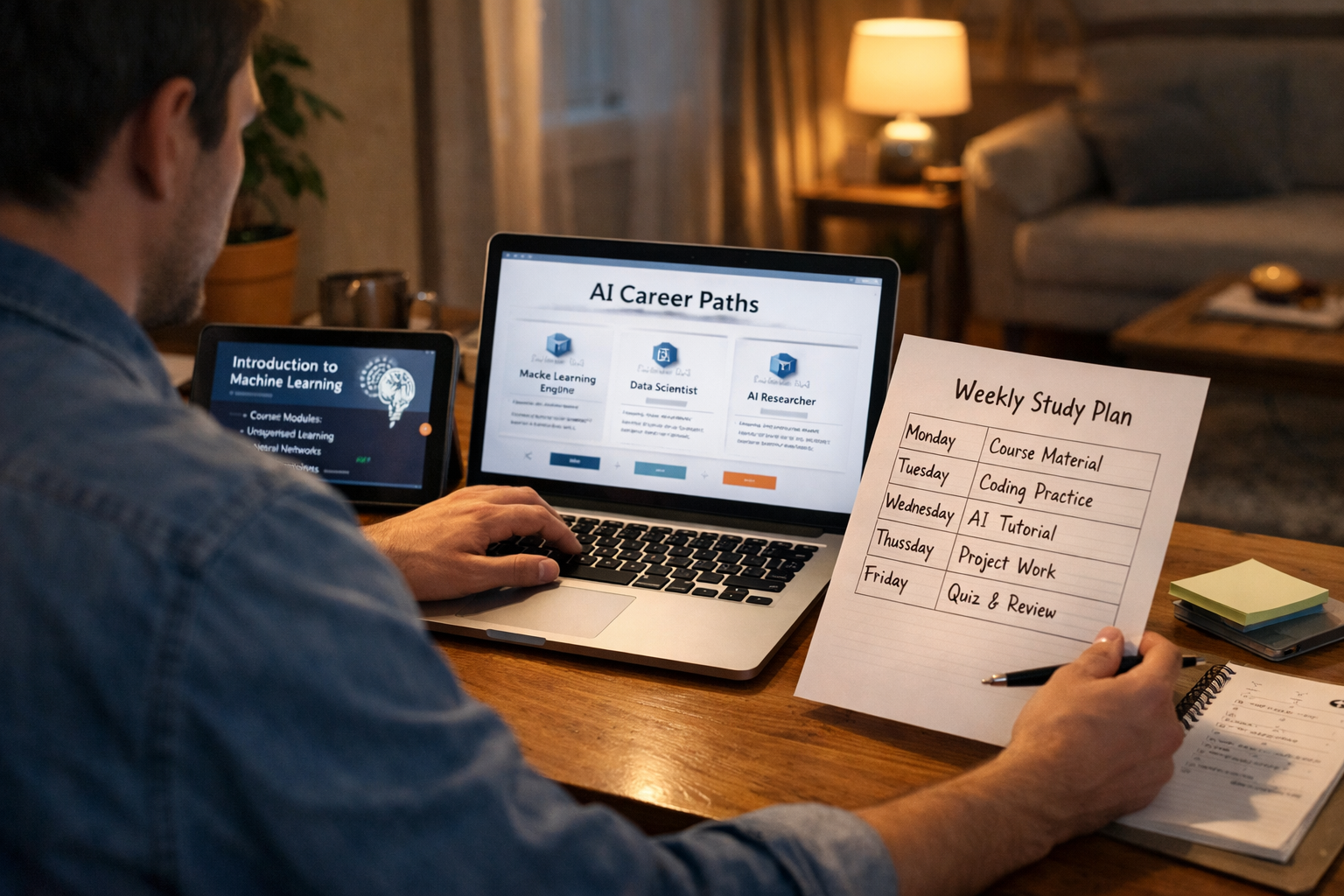
You do not need to resign first to test whether AI is right for you. This guide shows safe, beginner-friendly ways to explore AI careers while keeping your current income.
READ MORE
Yes, beginners can enter AI without coding first. This guide explains realistic no-code and low-code AI jobs, what they involve, and how to start step by step.
READ MORE
Switching into AI usually takes months, not years, if you follow a clear beginner plan. This guide explains realistic timelines, learning stages, and how to start from zero.
READ MORE
Yes, you can switch into AI jobs even if you were never “good at math.” This beginner guide explains which AI roles fit non-technical starters and how to build job-ready skills step by step.
READ MORE
You do not need to become a programmer to begin working with AI. This guide explains simple no-code tools, beginner job paths, and the fastest way to build practical experience.
READ MORE
You do not need a computer science degree to move into AI. This beginner-friendly guide explains the first practical steps, what to learn, and how to start confidently.
READ MORE
Starting a career in AI can feel overwhelming when you have no technical background. This guide breaks the process into simple, realistic steps you can follow from day one.
READ MORE
Changing into AI careers can feel intimidating, especially if you have no technical background. This guide breaks the process into simple, low-pressure steps you can actually follow.
READ MORE
Changing into AI without experience is possible if you follow a clear beginner plan. This guide explains what to learn first, how to practise, and how to become job-ready.
READ MORE
Moving into AI does not require genius-level maths or a computer science degree. You need a simple plan, steady practice, and the right beginner-friendly starting point.
READ MORE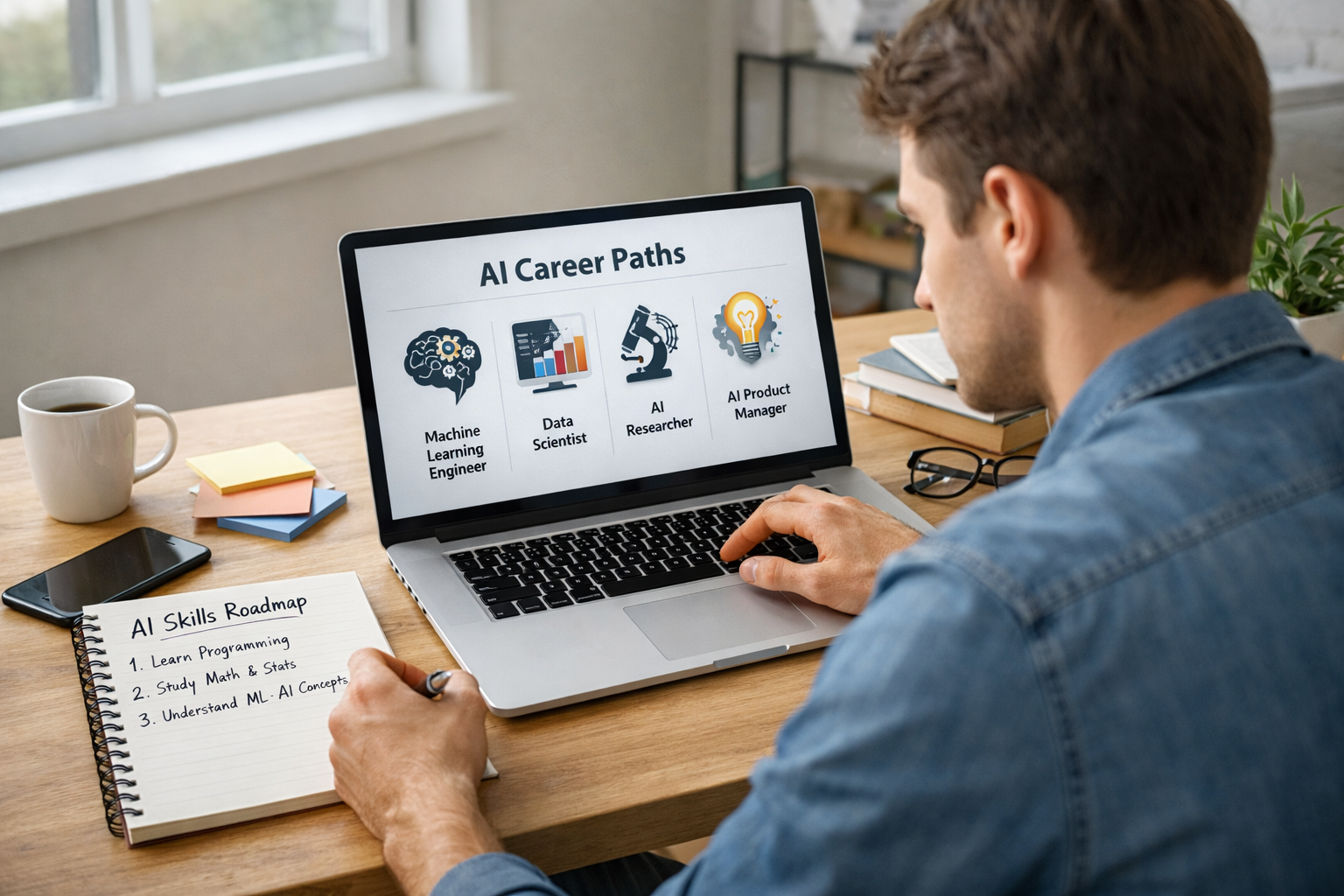
Yes, you can break into AI before you learn programming. This guide shows beginner-friendly AI roles, practical first steps, and how to build job-ready skills without starting with code.
READ MORE
You do not need a computer science degree to move into AI. This beginner-friendly guide explains the easiest entry points, skills to build, and practical first steps.
READ MORE
Feeling stuck about moving into AI? This beginner-friendly guide breaks the career switch into simple steps so you can start without panic, confusion, or prior coding experience.
READ MORE
Your past work experience may already match an AI career path better than you think. This guide shows beginners how to connect old skills to real AI job options.
READ MORE
Thinking about switching into AI but unsure if it fits you? This beginner-friendly guide helps you assess your interests, strengths, and next steps in plain English.
READ MORE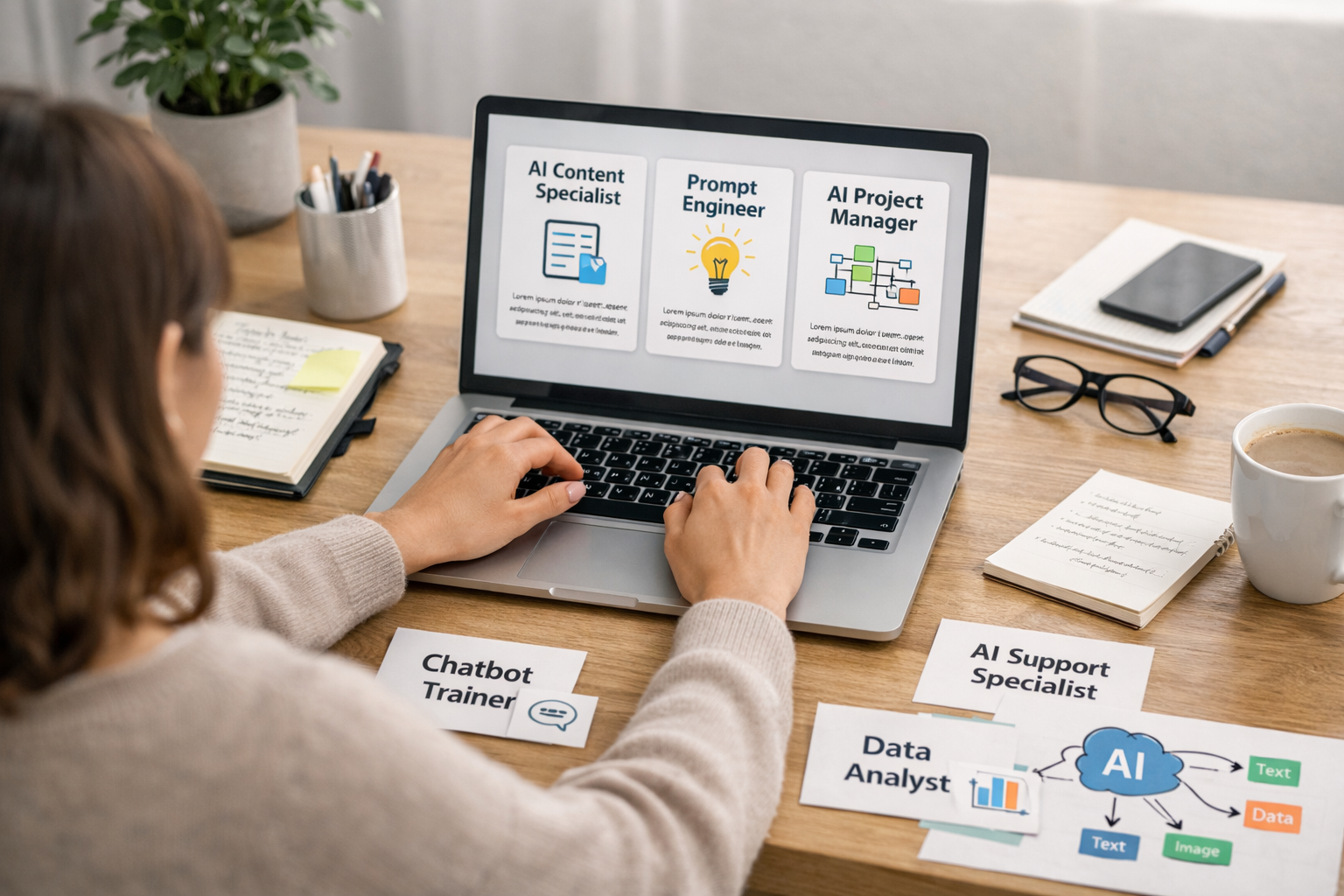
Not all AI jobs require coding. This beginner-friendly guide helps you match your strengths to the right first AI role and take practical next steps.
READ MORE
Thinking about moving into AI but have zero technical background? This beginner-friendly guide shows the simplest path to start learning AI for a job change without feeling overwhelmed.
READ MORE
Changing careers into AI is possible, even if you have no technical background. This guide explains the most beginner-friendly AI jobs, what they involve, and how to start.
READ MORE
Yes, you can start an AI-related career without knowing how to code. This guide explains the best beginner-friendly roles, what they involve, and how to take your first step.
READ MORE
Breaking into AI can feel impossible when every job asks for experience. This beginner-friendly guide shows how to build skills, projects, and proof that helps you get hired.
READ MORE
You do not need a computer science degree to start an AI career. This guide explains the skills, projects, and job paths beginners can use to break into AI step by step.
READ MORE
You do not need a computer science degree to move into AI. This beginner-friendly guide explains what to learn, how long it takes, and the easiest path to your first AI role.
READ MORE
Yes, you can move into AI even if your current job has nothing to do with tech. This guide explains the simplest path, the skills to learn first, and how to build confidence step by step.
READ MORE
Switching into AI is possible even if you have never coded before. This guide explains the exact steps, skills, and beginner-friendly path to make the move with confidence.
READ MORE
Starting over in AI can feel overwhelming, especially if you have no coding or tech background. This guide breaks the process into simple, realistic steps you can follow from day one.
READ MORE
You do not need a computer science degree to move into AI. This beginner-friendly guide shows how to use your current job skills, learn the basics, and build a realistic transition plan.
READ MORE
Thinking about moving into AI but starting from zero? This beginner-friendly guide explains the first steps, what to learn, and how to build a realistic career-change plan.
READ MORE
You do not need to be a programmer to move into AI. This beginner-friendly guide explains the easiest entry paths, skills to learn, and practical first steps.
READ MORE
You do not need to be a programmer to start working with AI. This guide explains, in simple steps, how office workers can move into AI using no-code tools and practical learning.
READ MORE
Yes, you can move from HR into AI without a technical background. This guide explains the easiest path, the skills to learn first, and how HR experience becomes an advantage.
READ MORE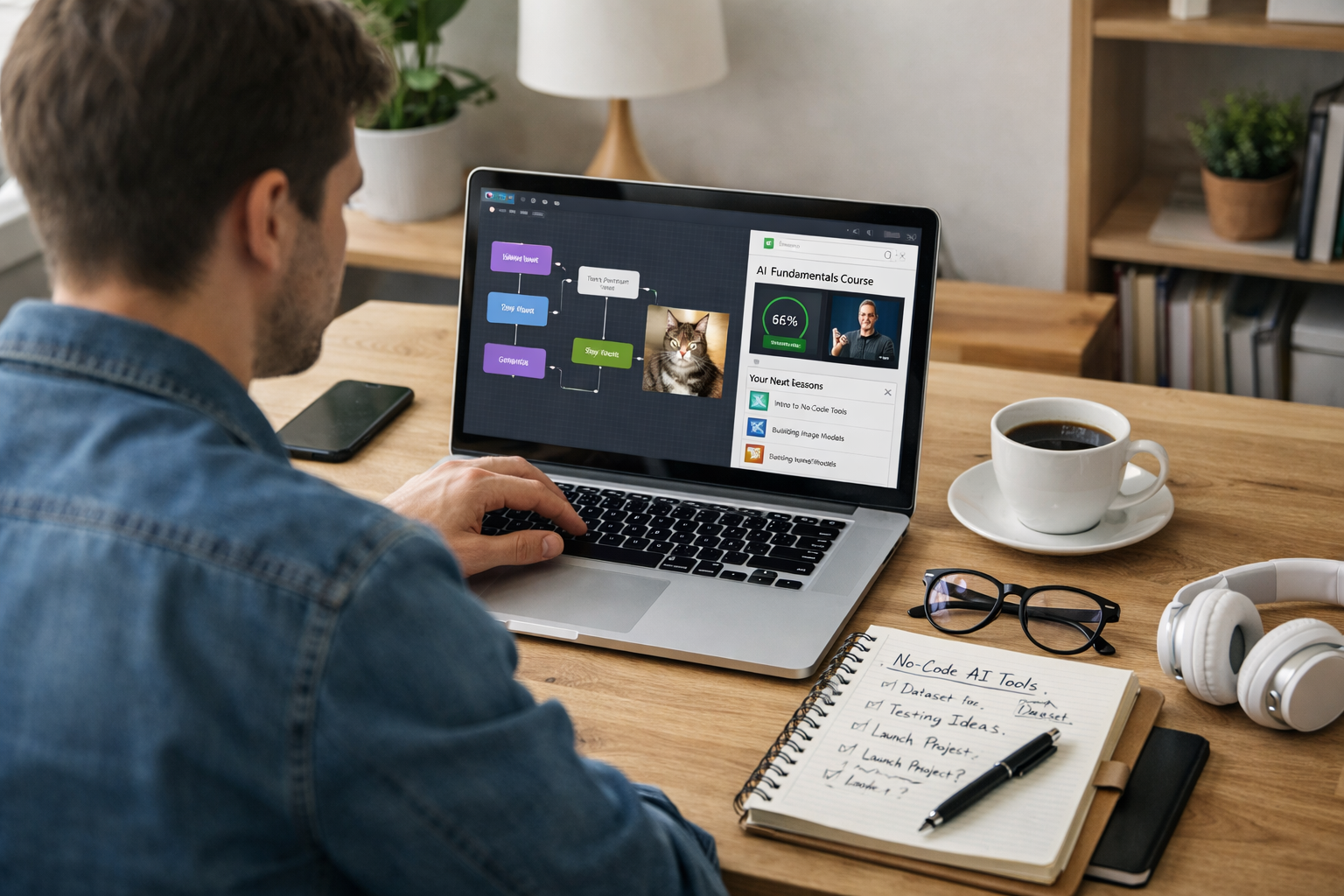
Want to work in AI without learning programming first? This beginner-friendly guide explains how to start a no code AI career step by step, with practical actions, tools, and job ideas.
READ MORE
Thinking about moving from marketing into AI but worried you cannot code? This beginner-friendly guide explains what to learn, what jobs to target, and how to start step by step.
READ MORE
Teachers already have many of the skills needed for AI roles, including communication, lesson design, and problem-solving. This guide shows how to make the switch step by step.
READ MORE
Yes, you can change careers into AI without a degree. This guide explains the skills, projects, timeline, and job search steps beginners can use to break in.
READ MORE
You do not need a computer science degree to move from retail into AI. This guide breaks the switch into simple steps, beginner-friendly roles, and a practical learning plan.
READ MORE
Starting an AI career at 50 is not too late. This beginner-friendly guide explains why your experience matters, what skills to learn first, and how to begin confidently.
READ MORE
Yes, you can switch to AI in your 40s with no experience. This beginner-friendly guide explains what AI is, what to learn first, realistic timelines, and how to start without feeling overwhelmed.
READ MORE
You do not need a computer science degree or coding background to begin in AI. This beginner-friendly guide shows the simplest path from zero knowledge to real AI skills.
READ MORE
Changing careers into AI is possible even if you have no technical background. This guide explains the most beginner-friendly AI jobs, what they involve, and how to get started step by step.
READ MORE
Yes, you can move from customer service into AI, even without coding experience. This guide explains the skills, roles, and first steps in plain English.
READ MORE
Yes, you can move into AI without becoming a full-time programmer. This guide explains beginner-friendly AI career paths, skills, and first steps in plain English.
READ MORE
You do not need a computer science degree to start an AI career. This guide explains the simplest path from a non-technical job into AI, step by step.
READ MORE
Breaking into AI jobs is possible even if you have no coding or tech background. This beginner-friendly guide explains what to learn, what roles to target, and how to start.
READ MORE
You do not need a computer science degree to move into AI. This beginner-friendly guide shows the simplest path, skills to learn first, and realistic job options.
READ MORE
Yes, you can move into AI without becoming a programmer first. This beginner guide explains which AI roles fit non-coders, what to learn, and how to start step by step.
READ MORE
Moving from admin work into AI is possible, even if you have never coded before. This guide breaks the switch into simple, practical steps you can start this week.
READ MORE
You do not need a computer science degree to move into AI. This beginner-friendly guide explains what to learn first, how long it takes, and how to build real proof of skills.
READ MORE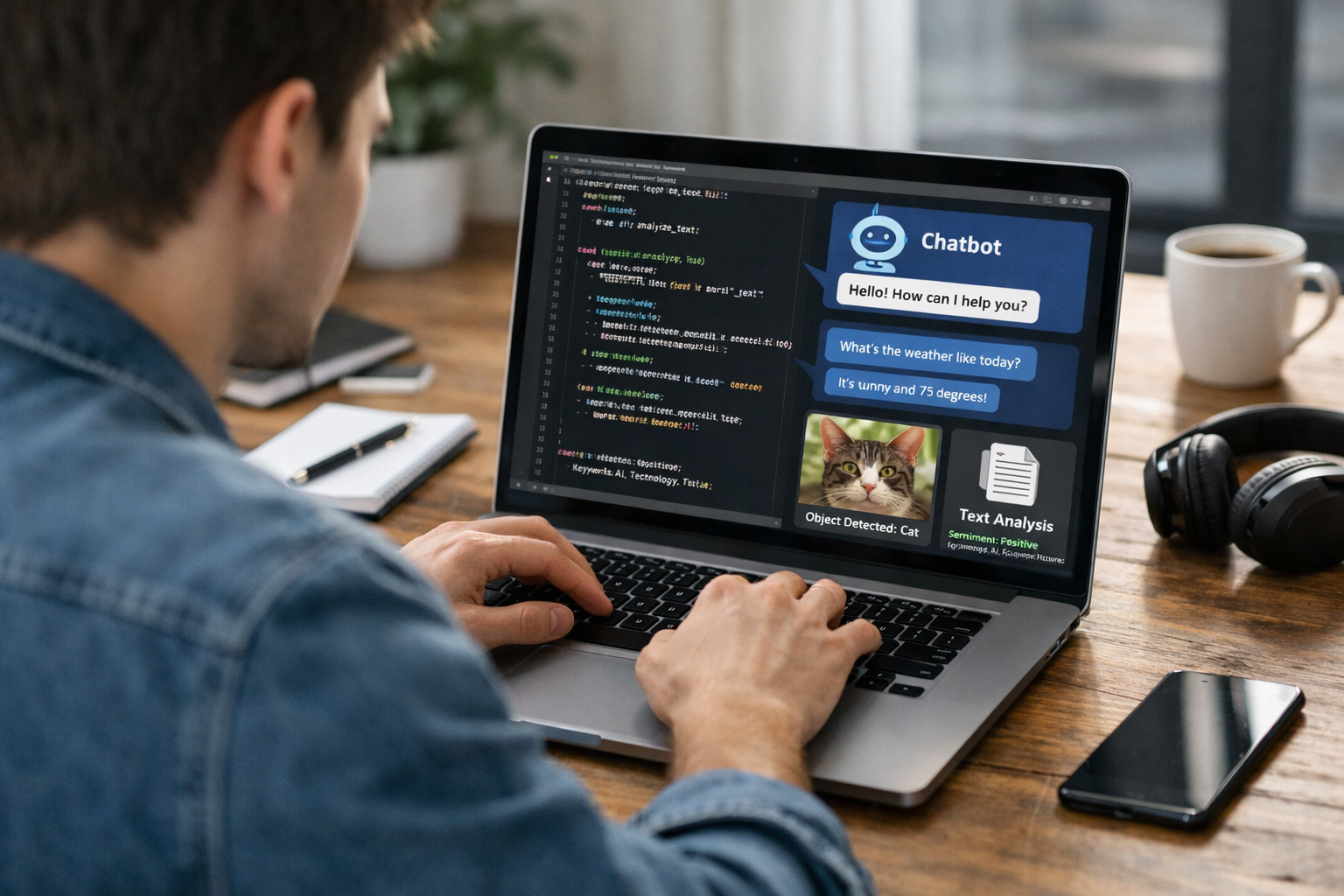
Want to add AI features to a Python app without building everything from scratch? This beginner guide explains AI APIs in plain English and shows the exact steps to get started.
READ MORE
Should beginners use AI to write code or learn coding the traditional way? This guide explains the differences, benefits, risks, and smart ways to combine both.
READ MORE
Discover how AI helps move, clean, monitor, and improve data pipelines automatically. This beginner-friendly guide explains the topic in simple language with real examples.
READ MORE
Can AI really turn plain English into code? This beginner-friendly guide explains how it works, where it helps, where it fails, and how to start learning safely.
READ MORE
AI can make learning to code easier, faster, and less stressful for complete beginners. This guide explains exactly how it works in plain English, with practical examples.
READ MORE
AI testing tools help software teams find bugs faster by learning from past test results and user behavior. This beginner-friendly guide explains how machine learning automates QA step by step.
READ MORE
AI is changing how software is planned, built, tested, and maintained behind the scenes. This beginner-friendly guide explains what that means for APIs, backend systems, and future careers.
READ MORE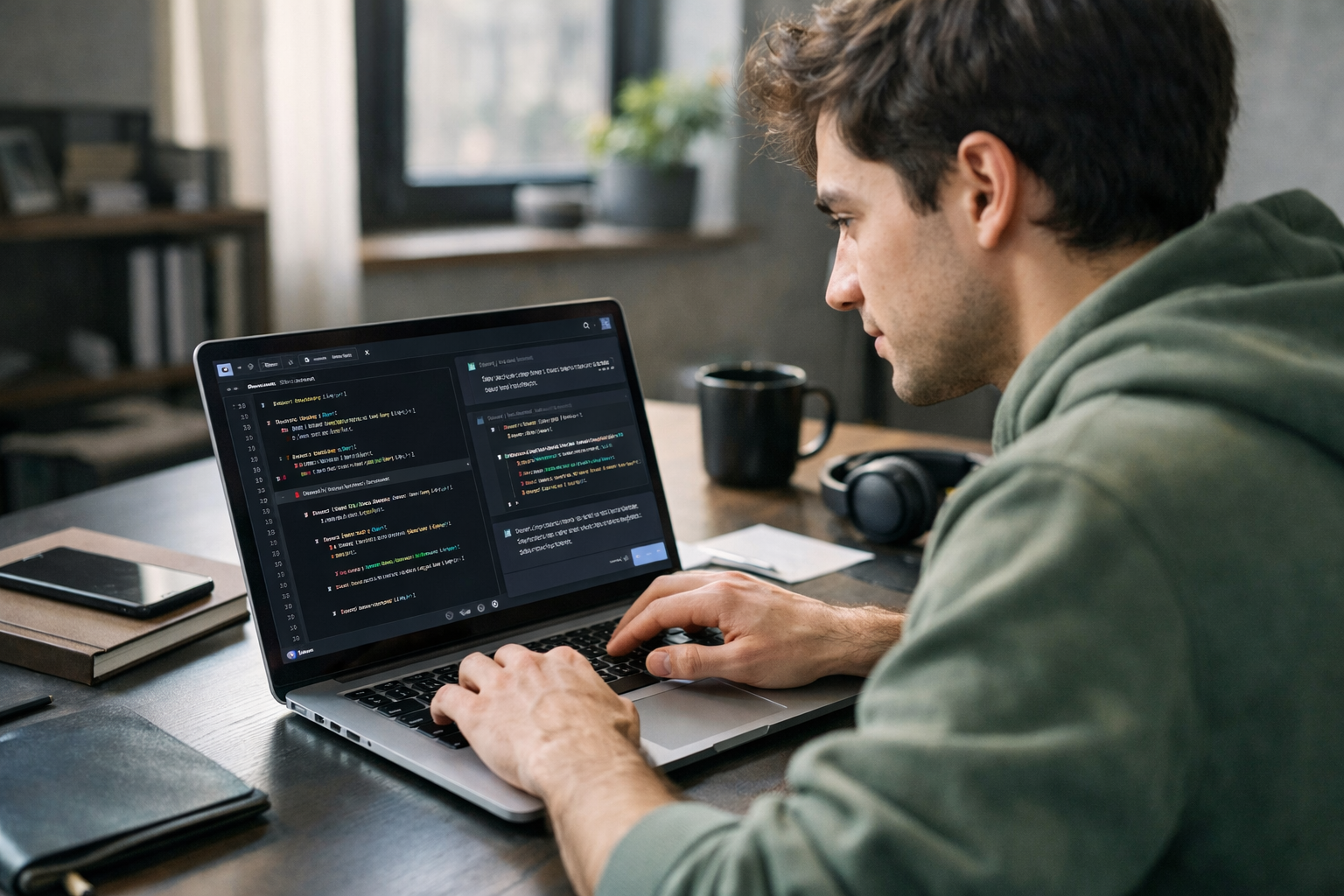
AI pair programming means using a large language model as a coding assistant to suggest, explain, test, and improve code. This beginner guide shows how it works, where it helps, and what to watch out for.
READ MORE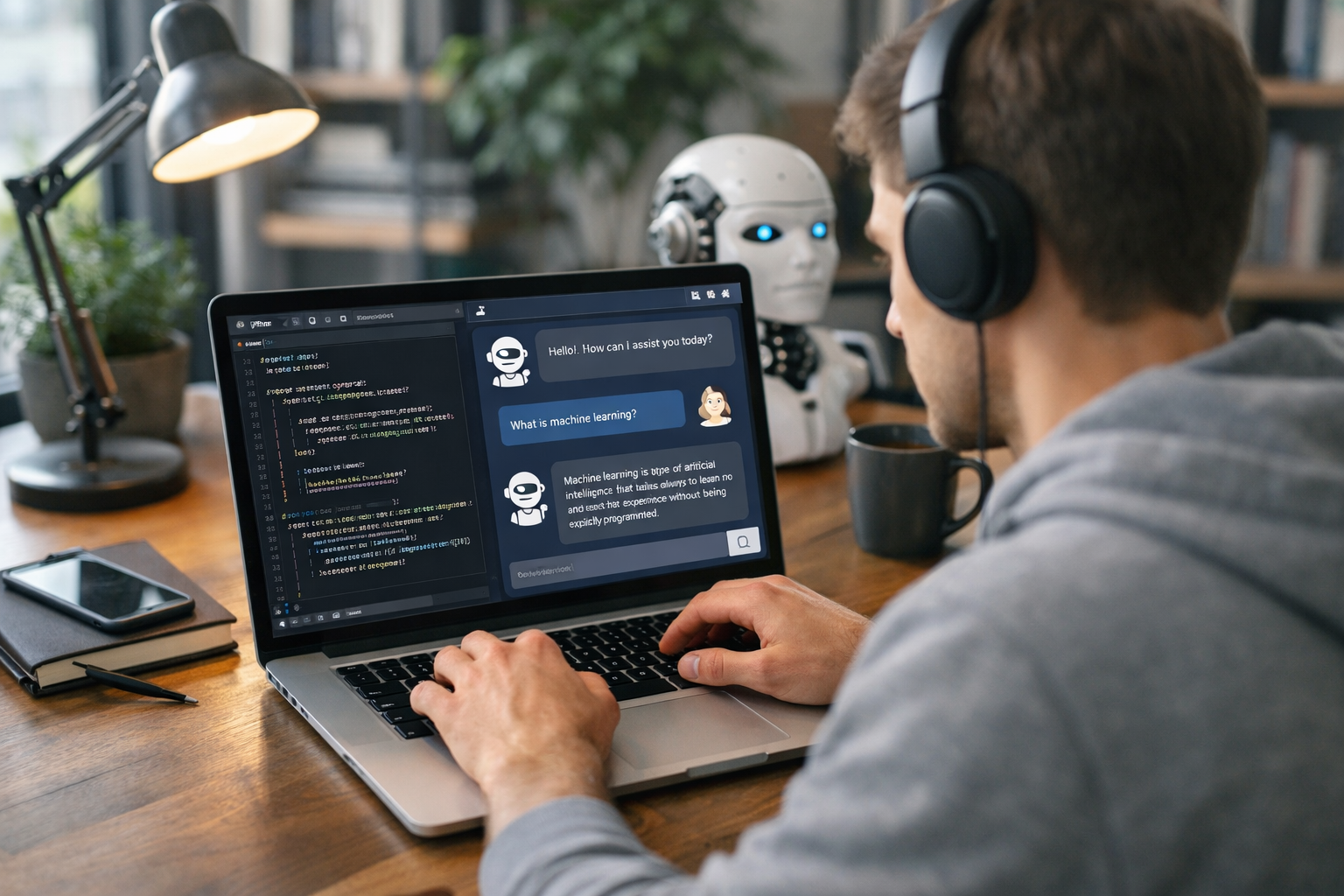
Want to build your first AI chatbot in Python in 2026? This beginner-friendly guide explains the tools, steps, and simple code you need to get started with confidence.
READ MORE
Discover how machine learning helps cloud systems run faster, waste less, and predict problems before they happen. A plain-English guide for complete beginners.
READ MORE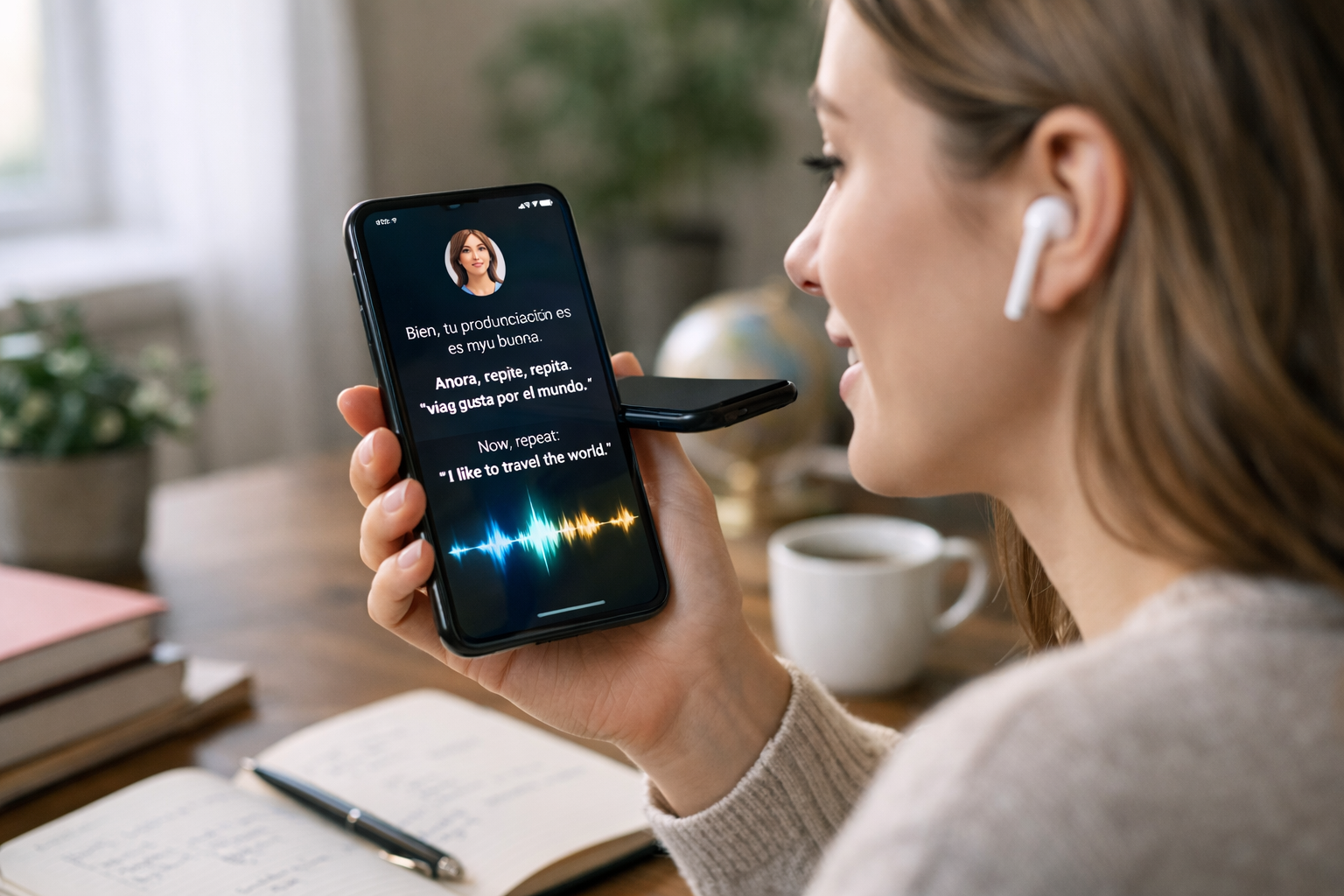
Curious how language apps know when you say a word wrong? This beginner-friendly guide explains how AI hears, checks, and fixes pronunciation mistakes in real time.
READ MORE
Wondering how large language models help create software? This beginner-friendly guide explains what they do, where they fit, and how real apps use them today.
READ MORE
Can AI help you speak a new language faster than a human tutor in 2026? This beginner-friendly guide compares speed, cost, motivation, and real-world fluency.
READ MORE
AI-powered SQL query optimisation helps databases answer questions faster and more efficiently. This beginner-friendly guide explains what it does, how it works, and why it matters.
READ MORE
Discover how generative AI can simulate realistic language conversations, give instant feedback, and help beginners practise with less pressure. A plain-English guide to how it works and why it matters.
READ MORE
Discover how AI helps software teams test, release, and monitor applications faster. This beginner-friendly guide explains CI/CD and intelligent monitoring in plain English.
READ MORE
Spaced repetition helps you remember words just before you would forget them. This guide explains the science in plain English and shows how AI makes language learning more efficient.
READ MORE
Looking for the best AI tools for Python developers in 2026? This beginner-friendly guide explains the top options, what they do, and how to choose the right one.
READ MORE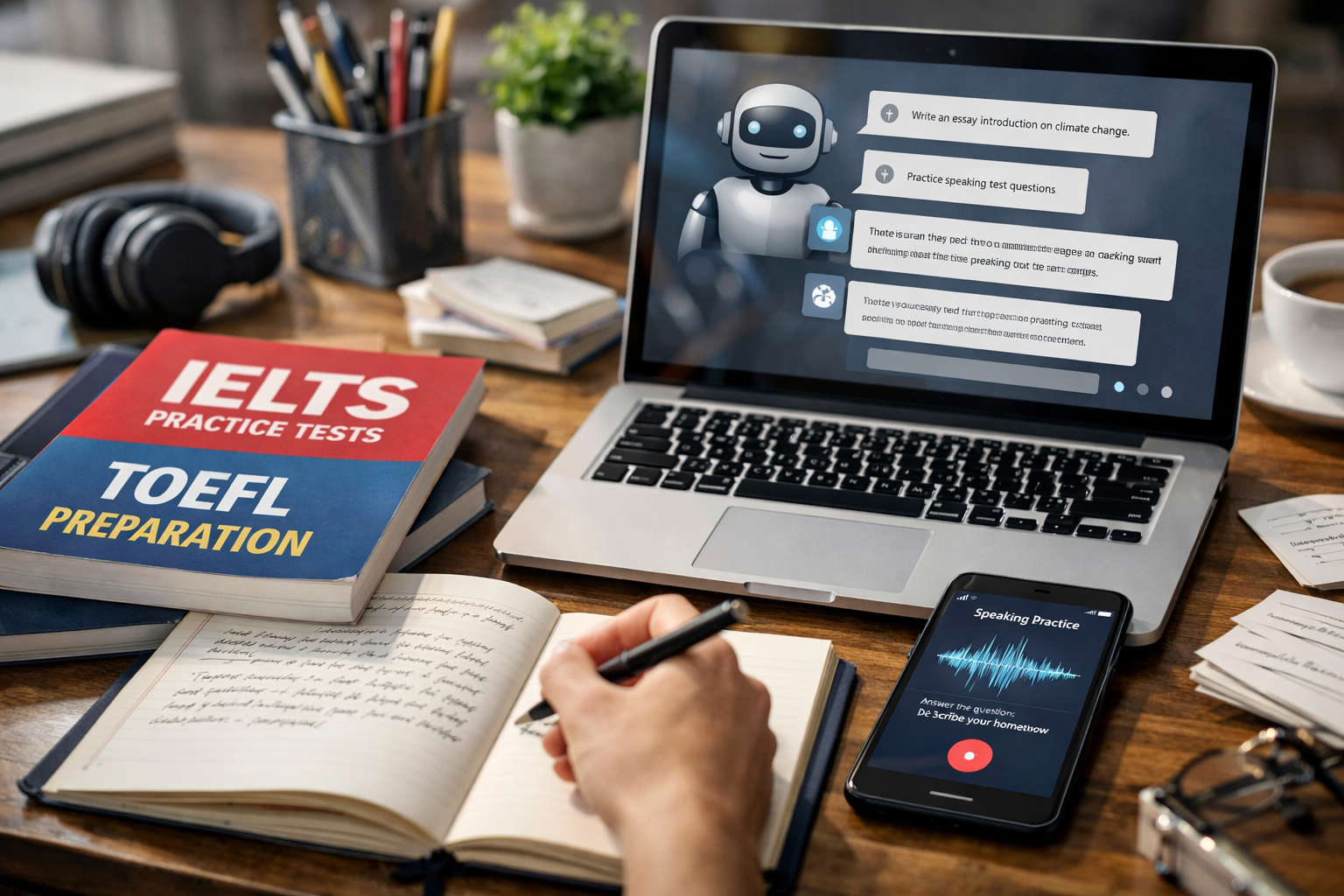
AI tools are changing how students prepare for IELTS and TOEFL by giving faster feedback, smarter practice, and more personalised study plans. Here is how it works in simple terms.
READ MORE
AI helps cybersecurity teams spot unusual activity, block attacks faster, and respond before damage spreads. This beginner-friendly guide explains how it works in plain English.
READ MORE
AI translation tools can speed up language learning, but they can also become a shortcut that weakens real progress. Here is how to use them as support without depending on them.
READ MORE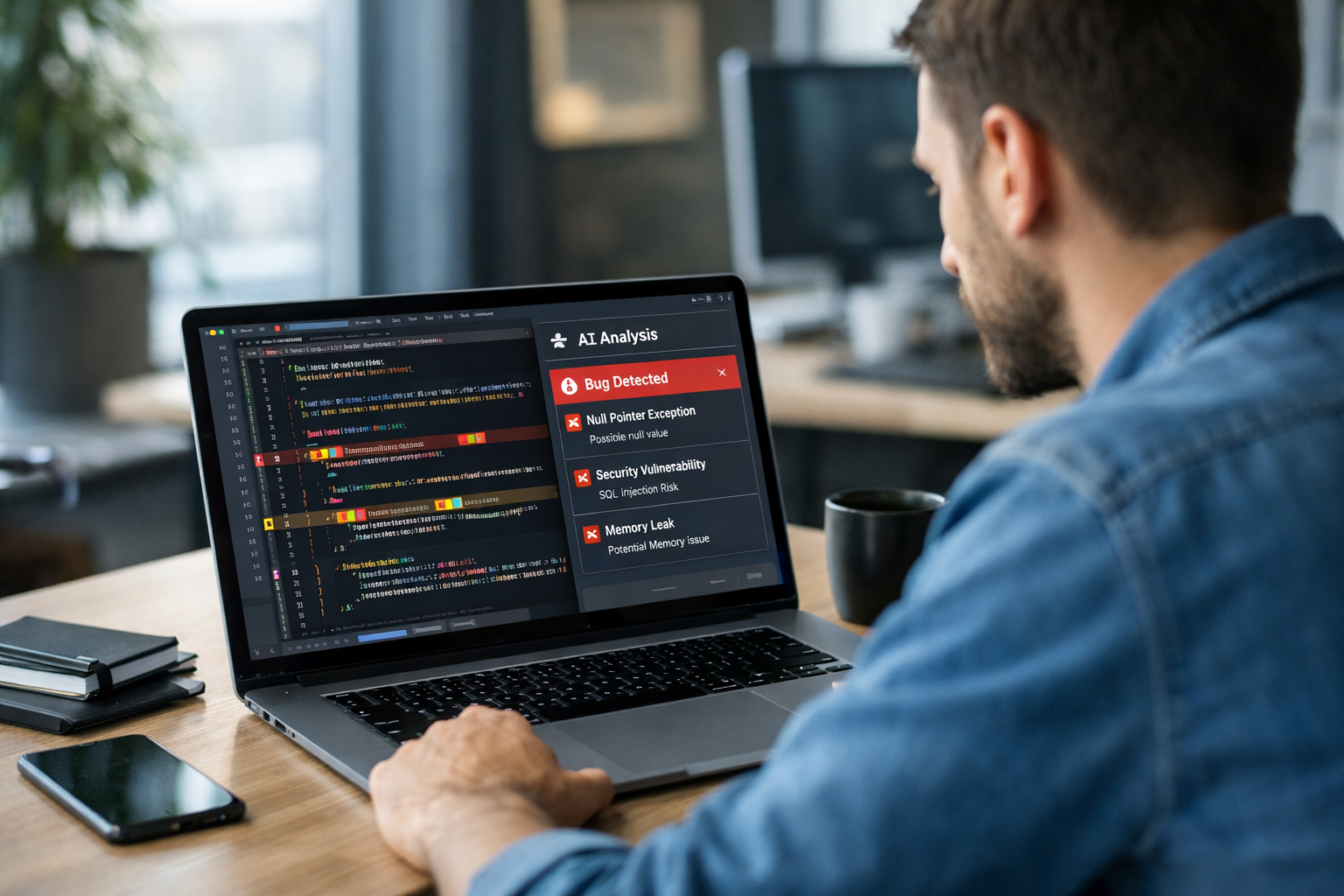
AI code review tools can scan software, spot likely mistakes, and flag risky code before humans notice a problem. This beginner guide explains how machine learning does it in simple terms.
READ MORE
Discover how machine learning can change a language lesson while you learn, so it matches your level, speed, and weak spots. This beginner-friendly guide explains it in plain English.
READ MORE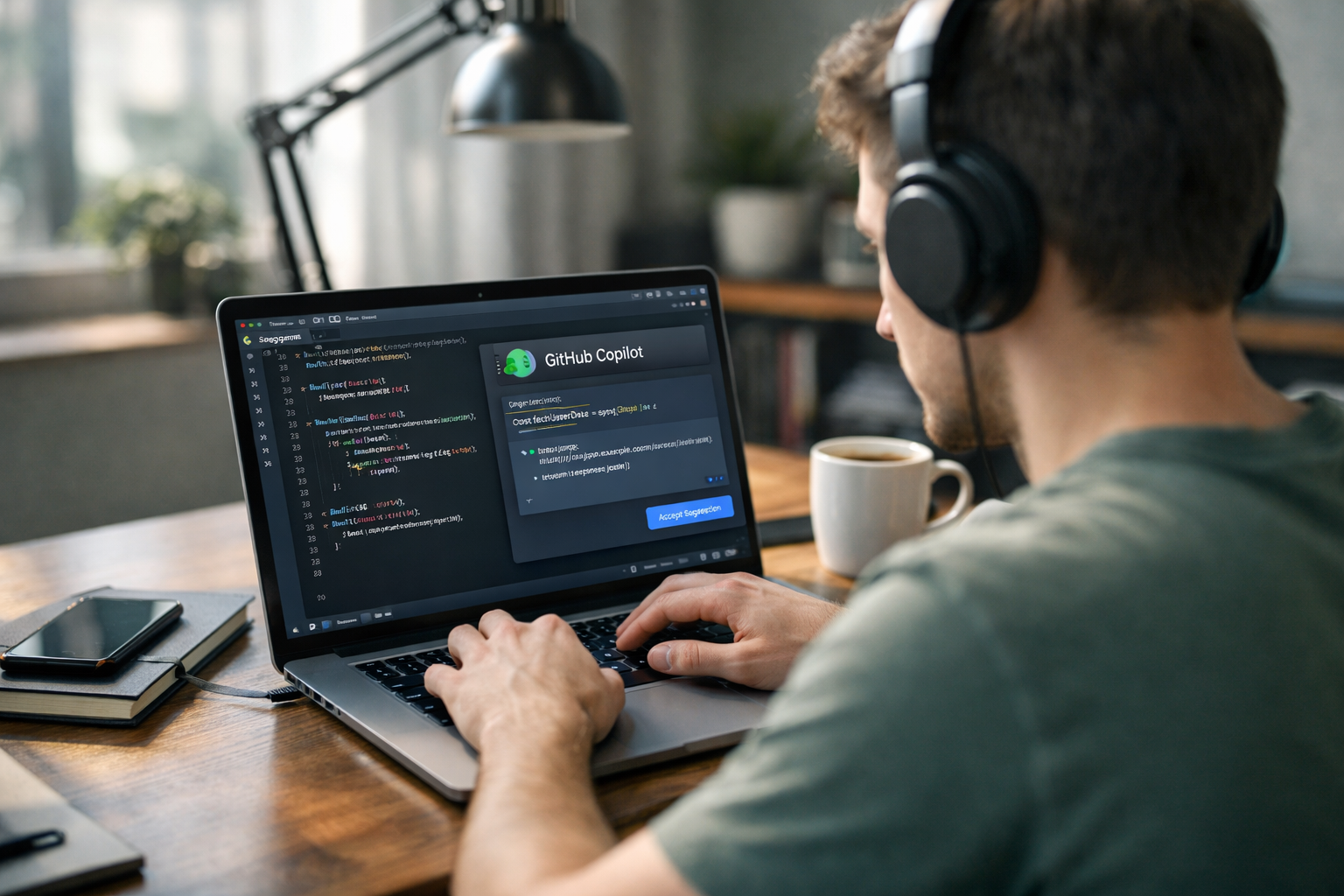
New to coding and AI tools? This beginner-friendly guide explains how GitHub Copilot works, how to set it up, and how to use it to write code faster with confidence.
READ MORE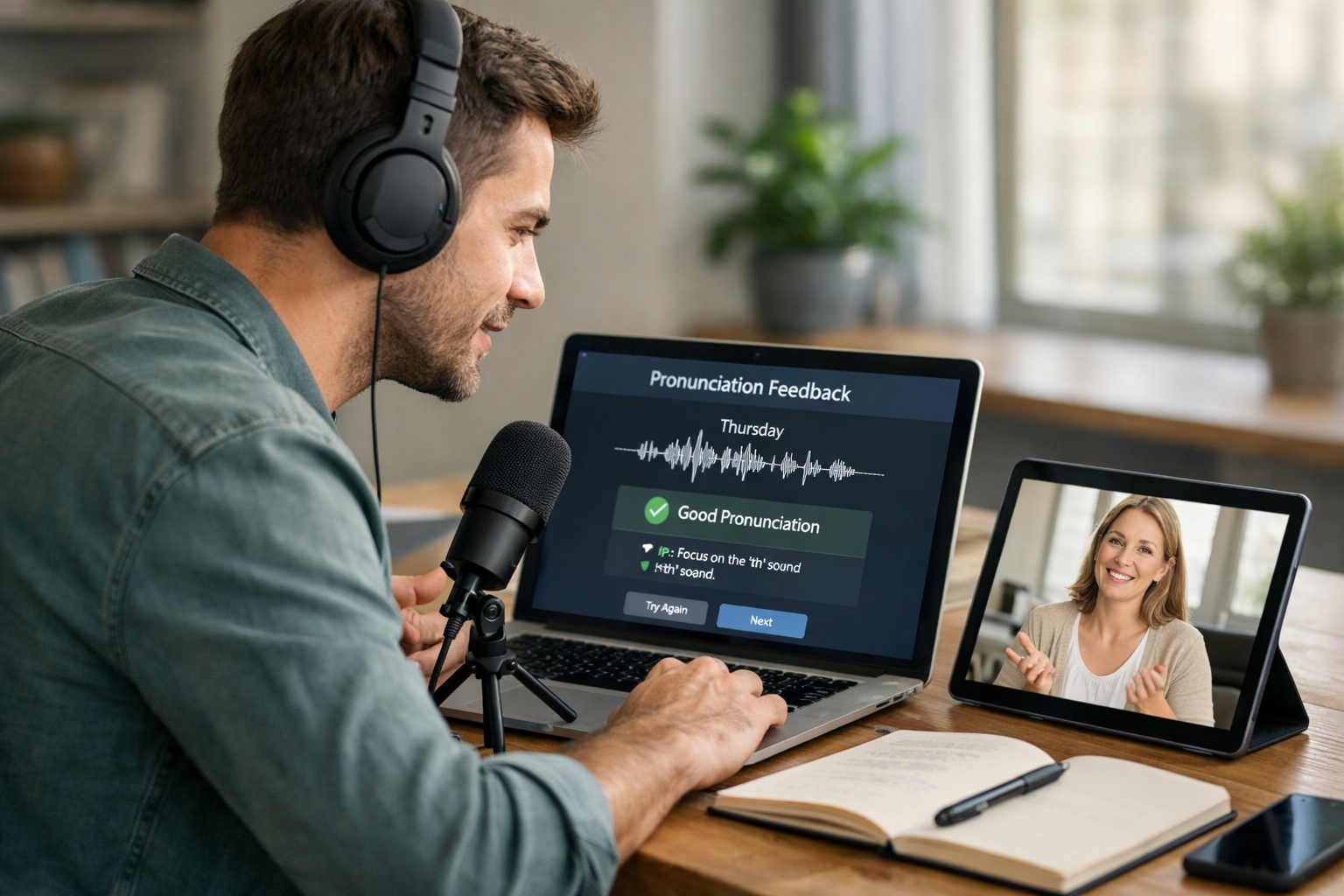
Can AI really help you speak more clearly than a human teacher? Here is a beginner-friendly look at what AI pronunciation tools do well, where they fall short, and how to choose the best option.
READ MORE
AI is reshaping how software is planned, written, tested, and maintained in 2026. This beginner-friendly guide explains what is changing, what it means for careers, and how to start learning.
READ MORE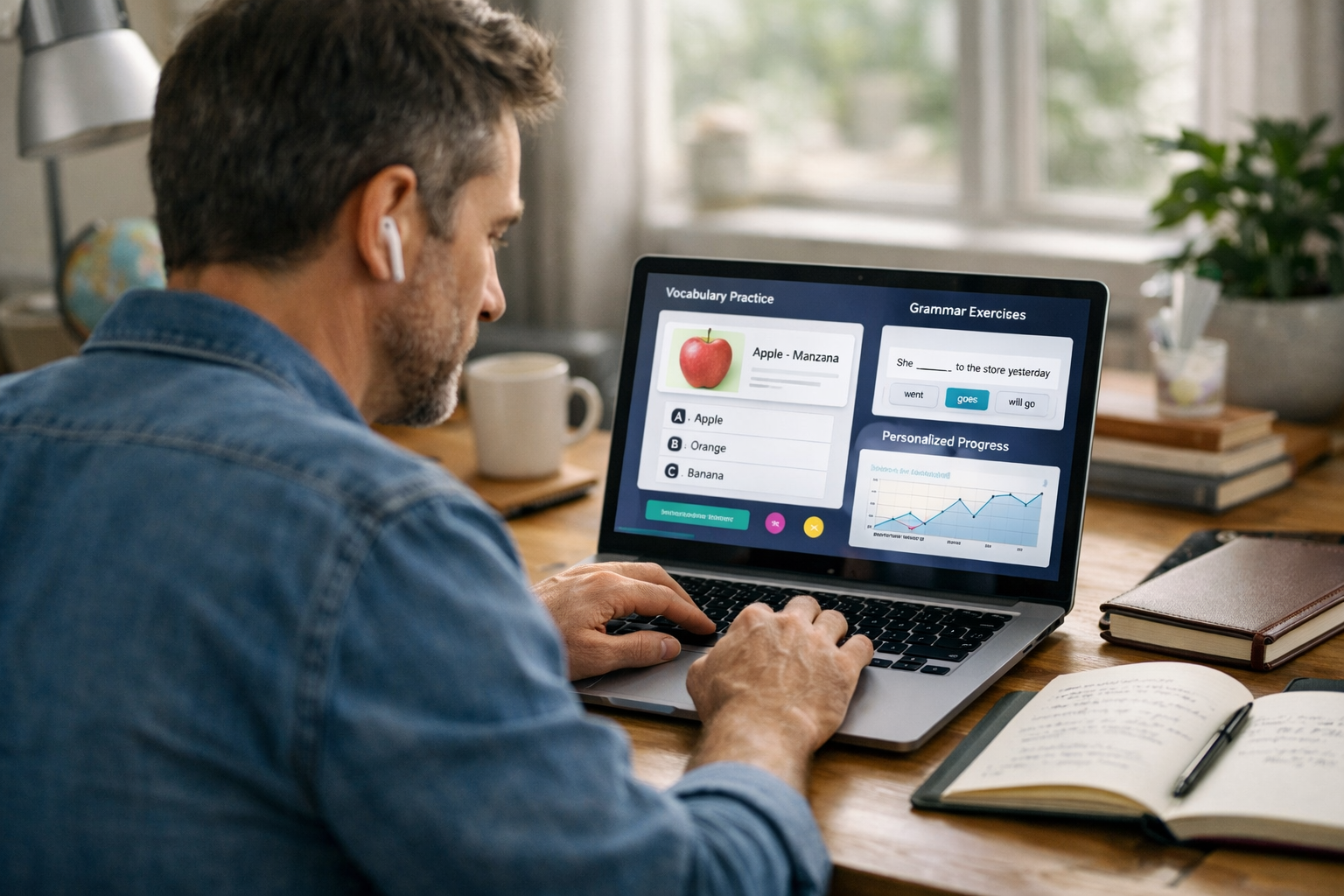
AI can adjust language practice to your level, mistakes, pace, and goals. This guide explains exactly how that works in plain English, with simple real-life examples.
READ MORE
AI is changing economics faster than many beginners realize. This guide explains what jobs may grow, what risks matter, and where new opportunities could appear in 2026.
READ MORE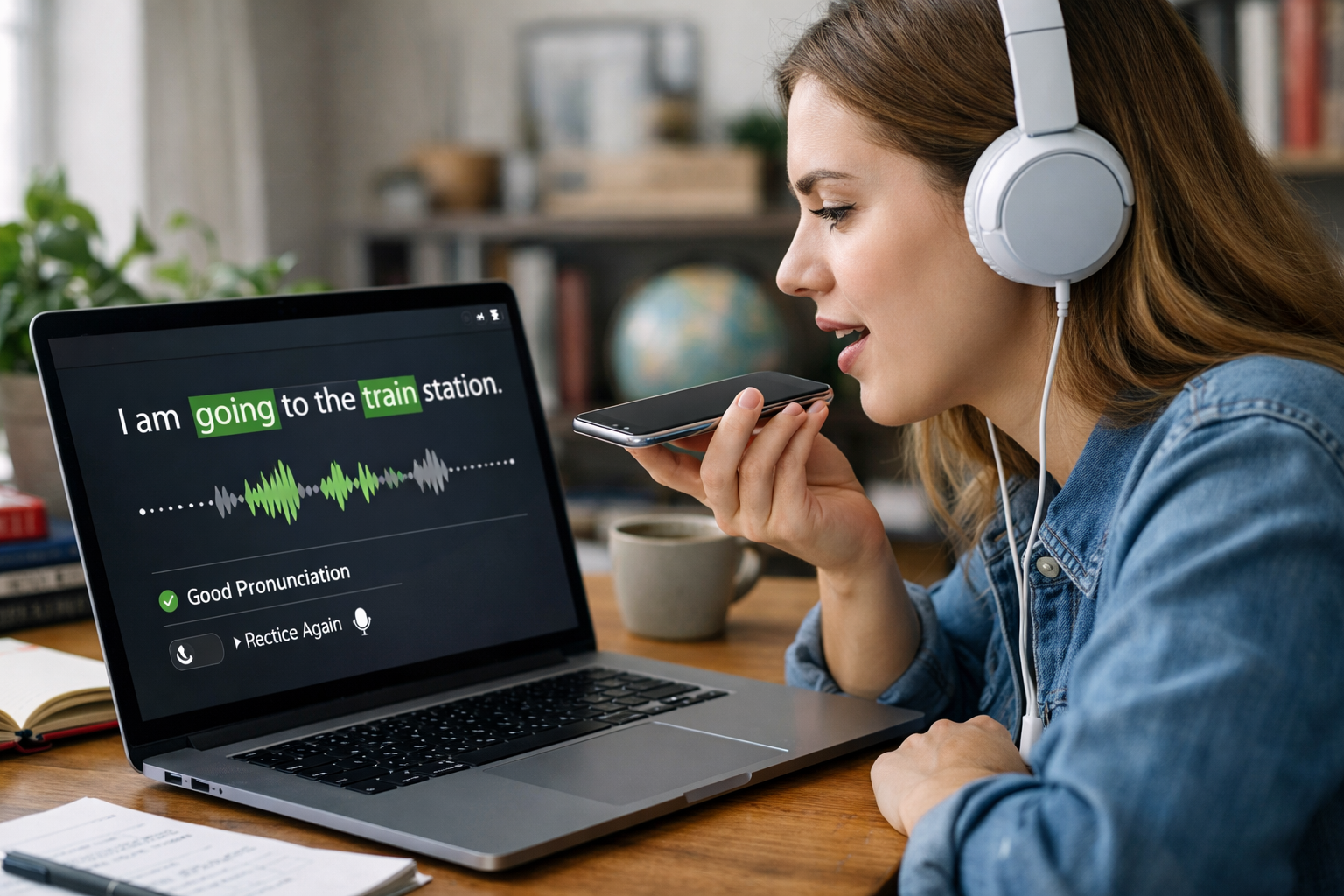
Curious how apps can hear your pronunciation and give feedback? This beginner-friendly guide explains AI speech recognition in plain English and shows where it helps language learners most.
READ MORE
AI is changing finance and accounting by automating routine tasks, spotting risks faster, and improving forecasting. This beginner-friendly guide explains what that really means in plain English.
READ MORE
ChatGPT can help you practise vocabulary, grammar, speaking, and writing like a patient language tutor. This guide shows beginners exactly how to use it well.
READ MORE
Insurance companies are using machine learning to estimate risk faster and more accurately. This beginner-friendly guide explains how it works, where it helps, and what it means for customers.
READ MORE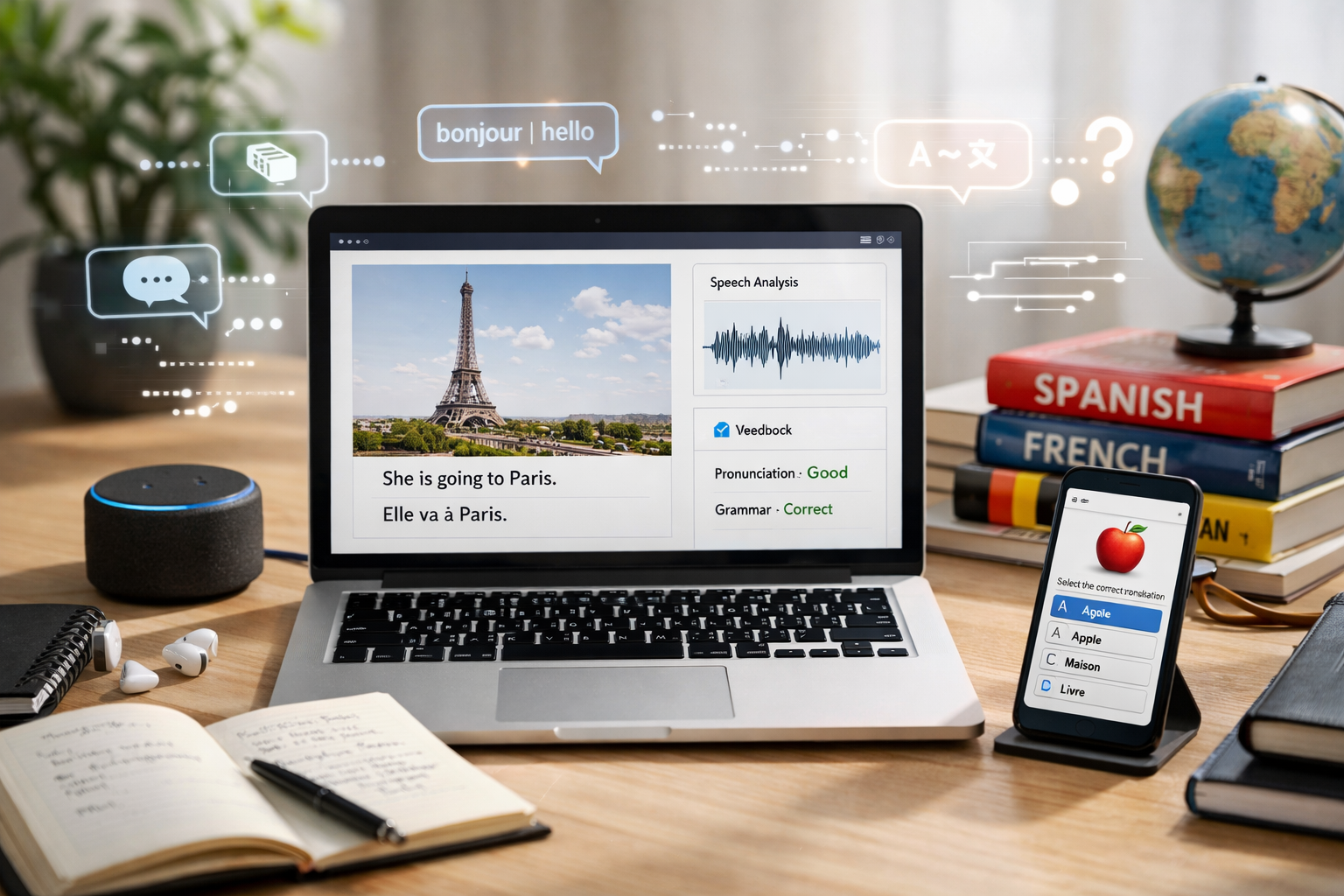
Natural language processing helps language apps understand speech, correct mistakes, and personalise lessons. Here is a plain-English guide to how it all works.
READ MORE
Hedge funds use machine learning to spot patterns, manage risk, and react faster than humans alone. This beginner-friendly guide explains how it works and what you can learn from it.
READ MORE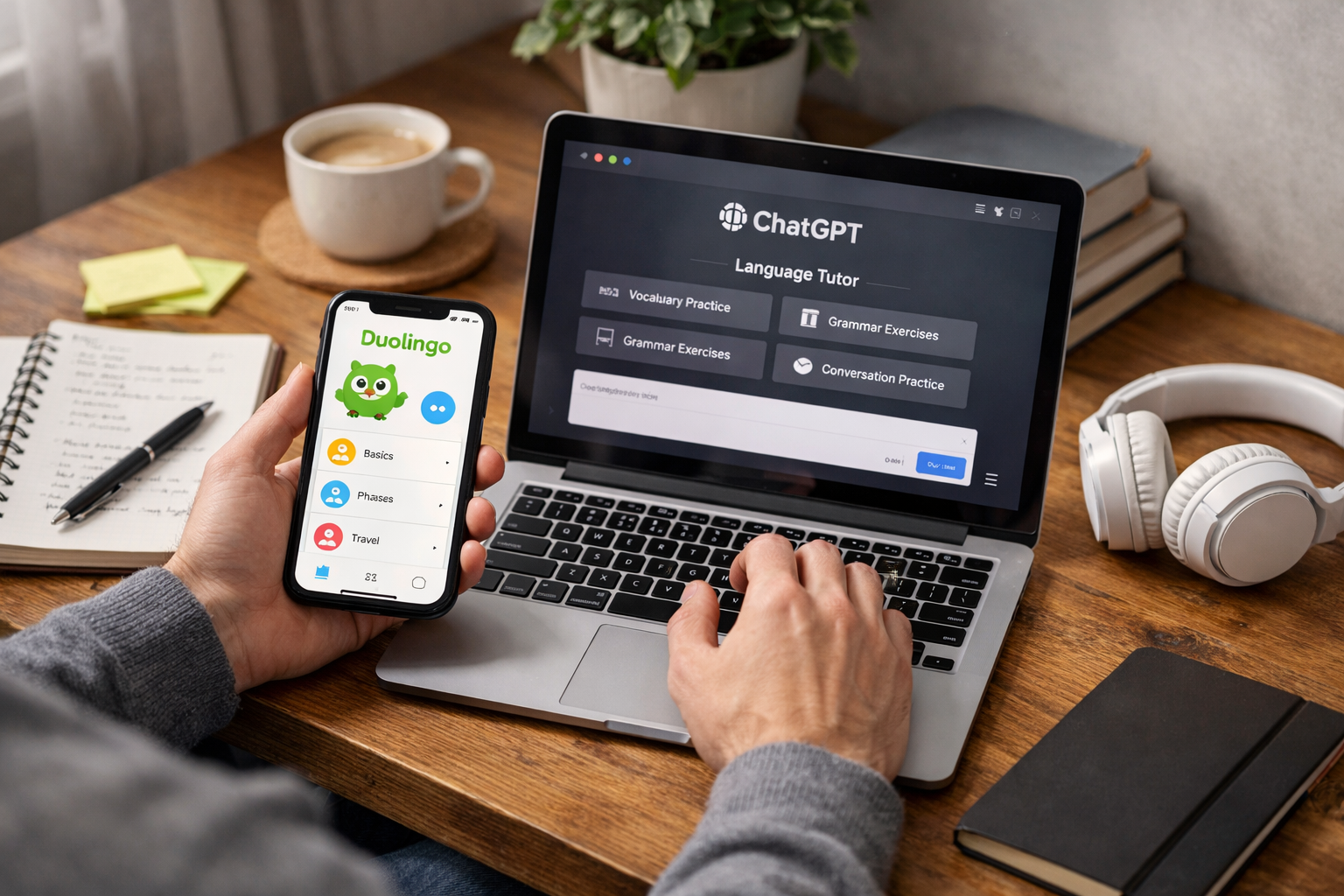
Trying to choose between Duolingo, ChatGPT, and other AI language apps? This beginner-friendly guide compares features, prices, strengths, and who each app is best for.
READ MORE
What are AI tools for financial risk management and modelling, and how do beginners understand them? This guide explains the main tools, use cases, benefits, limits, and first steps in simple language.
READ MORE
AI is making language learning more personal, faster, and easier for beginners in 2026. Here is what has changed, what it means for learners, and how to use it wisely.
READ MORE
Central banks are beginning to use AI to study inflation, forecast growth, and spot financial risks faster. This beginner-friendly guide explains what that means and why it matters.
READ MORE
AI can spot exactly where a learner is struggling, then adjust lessons, quizzes, and practice in real time. Here is a beginner-friendly guide to how it works and why it matters.
READ MORE
AI is changing how banks decide who gets a loan and at what interest rate. This beginner-friendly guide explains the process in plain English, including benefits, risks, and real-world examples.
READ MORE
AI can help online learning, but it cannot fully replace good teachers. This beginner-friendly guide explains where AI works well, where humans still matter, and what students should expect.
READ MORE
What is algorithmic trading, and how does AI buy and sell stocks automatically? This beginner-friendly guide explains the process, examples, risks, and first steps in simple language.
READ MORE
Generative AI tools can help students summarise notes, explain hard topics, create quizzes, and plan revision. This beginner-friendly guide shows what works, what to avoid, and how to study smarter.
READ MORE
AI helps economists spot patterns in prices, jobs, spending, and trade faster than traditional methods alone. This beginner-friendly guide explains how that improves inflation and GDP forecasts.
READ MORE
AI is changing how students learn, but it also raises big questions about fairness, privacy, and trust. This beginner-friendly guide explains what ethical AI use means in simple terms.
READ MORE
AI is changing banking, payments, lending, and investing faster than ever. This beginner-friendly guide explains the biggest fintech applications in 2026 in plain English.
READ MORE
Not all AI certifications are worth your time or money. This beginner-friendly guide explains which AI certifications matter most in 2026 and how to choose the right one.
READ MORE
- Learning Evolved.
- Intelligence Amplified.